This memoir recounts a trip to attend the Global Education Innovation Conference at Duke Kunshan University from April 23-25, 2026. The author describes the journey, from small details like artificial intelligence (or artificial means of transport) and the speed and efficiency of movement to strolling along ancient canals in the cool air, and on to the university and the conference. This raised questions about the future of learning to become human amidst artificial intelligence and whether learning through the natural world is also necessary. The narrative includes touring the university, visiting the agricultural gardens, and watching a friend’s film, “The Mekong Pace,” which premiered in China, by the shores of Yangsheng Lake. Finally, the author listens to Peking Opera at the Ba Cheng Water Hall, bidding farewell with questions about artificial intelligence, swimming, cooking, and friendship.
1. Whether Yana’s or Artificial’s vehicle

Looking through the sky beneath a thin cloud,
from Chiang Mai, through Chiang Rai, across the Mekong River, through Laos, into Kunming.
Modern greenhouses for growing vegetables and flowers gleamed in the sunlight.
We disembarked and went through immigration by scanning and filling out an online form around noon.
Even though it was a digital form, we filled it out slowly.
“Quickly!”
An officer came to hand out paper forms.
“Quickly!”
“Hurry up!” the officer called out, as if they were in a rush for their lunch break.
She then asked for our passports and quickly filled out the paper forms for us.
After getting our passports stamped, we walked out to see a giant dinosaur waiting to welcome us.
2. Take a refreshing stroll along the ancient canal.

A light rain fell, the air cool and refreshing.
In the late afternoon, my younger brother’s taxi brought us to a friend’s condominium in Suzhou.
Memories of dust, smog, and harsh heat from the north faded.
We rested and slept in the cool air, without air conditioning.
In the morning, the air became even colder, so my friend found me a woolen jacket.
Before we took my younger brother’s taxi to Pingjiang, an old town area that our friend had guided us to.
We got out of the car and walked into an alleyway that our friend had never explored before, either.
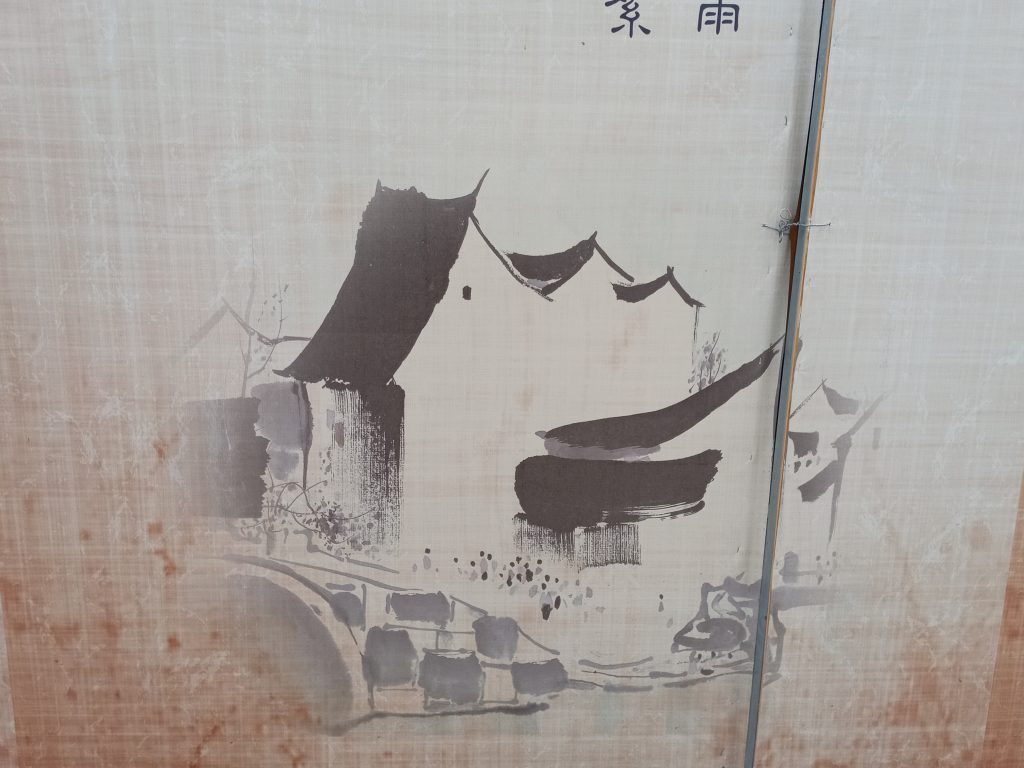
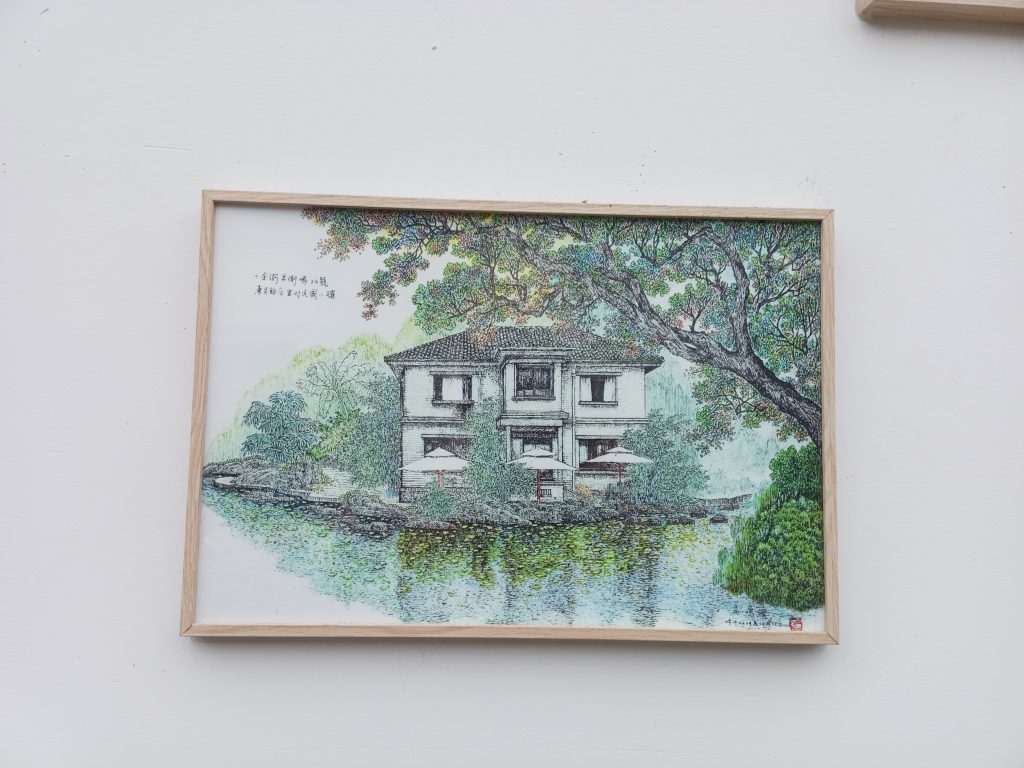
The right wall displayed pictures of old architectural buildings.
The building on the left had large, blooming red roses in front of it.
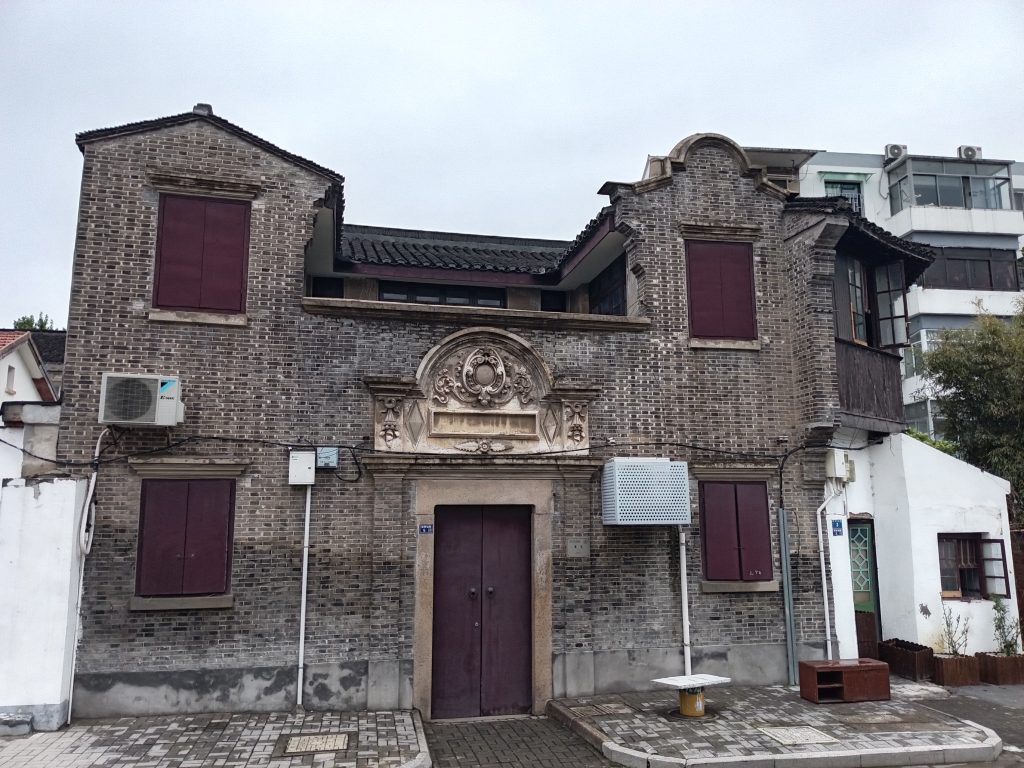
Once inside, we learned that this place was the former location of the independent branch of the Chinese Communist Party in Suzhou.
Originally, it was Le’yi Girls’ High School. The founding members were Ye Tiandi, Hou Shaopei, and Zhang Wentian, who established the organization in September 1925.
The year Dr. Sun Yat-sen died was March 12th.
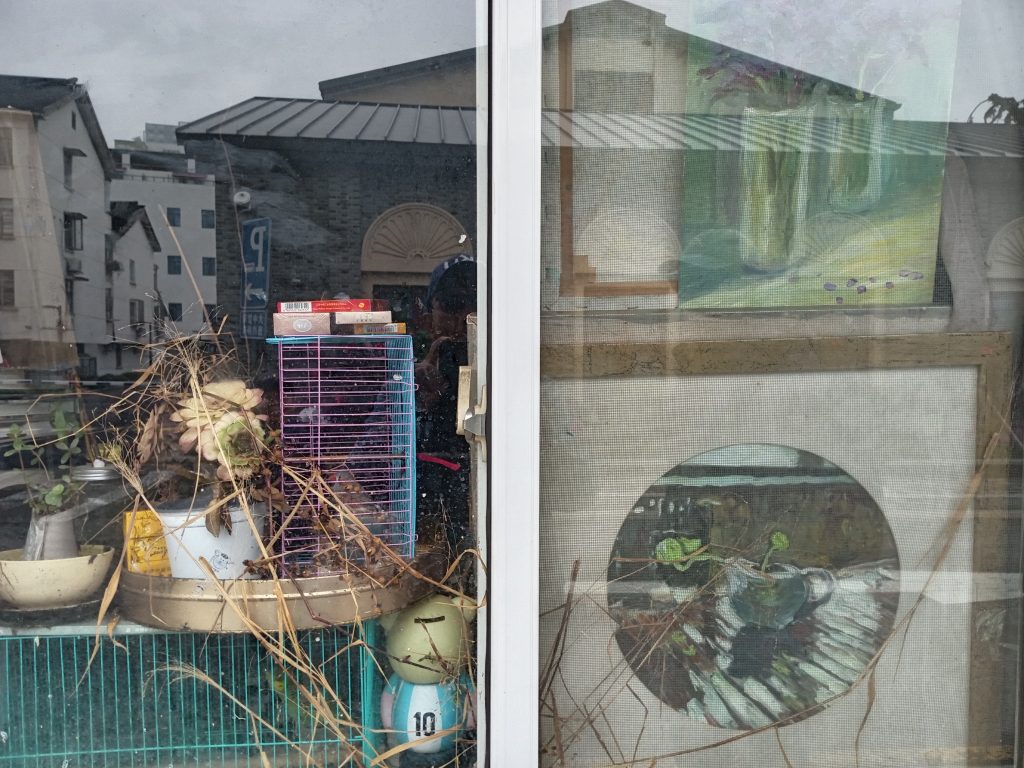
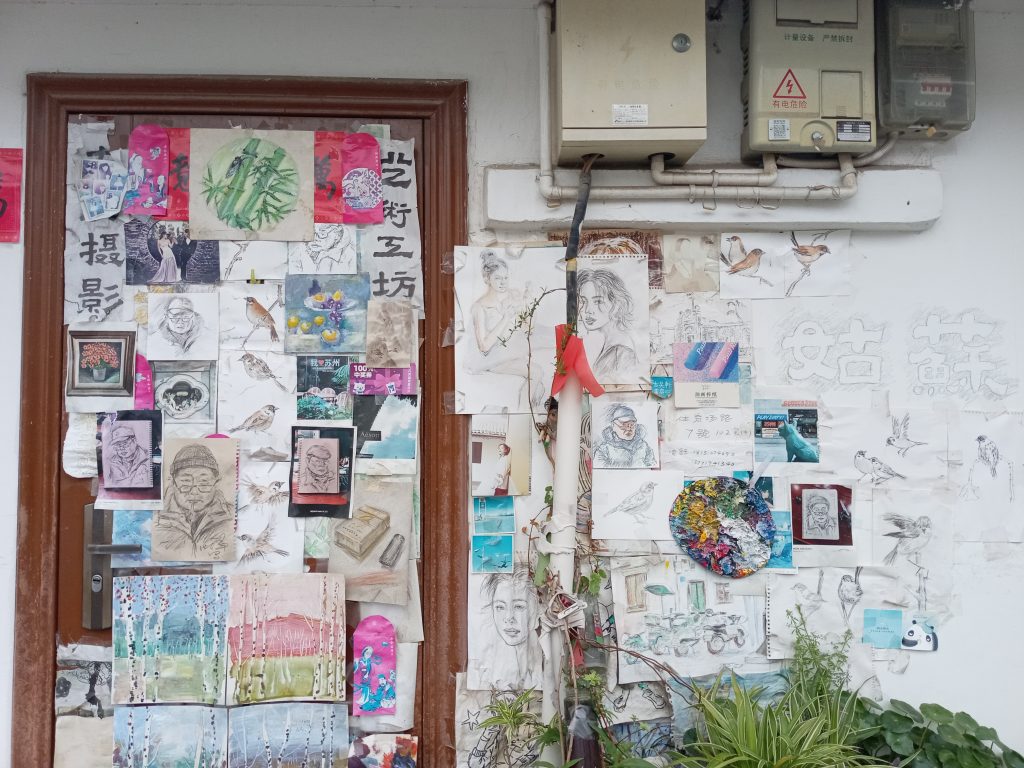
We walked past small shops displaying artwork, as if hiding secrets, like the sound of caged birds.
We meandered left and right for a few more blocks.
We passed Pingzhi School, founded in 1990 by Wang Jiyan.
The exhibition on the wall documented its history as an important school in Suzhou that produced revolutionaries.
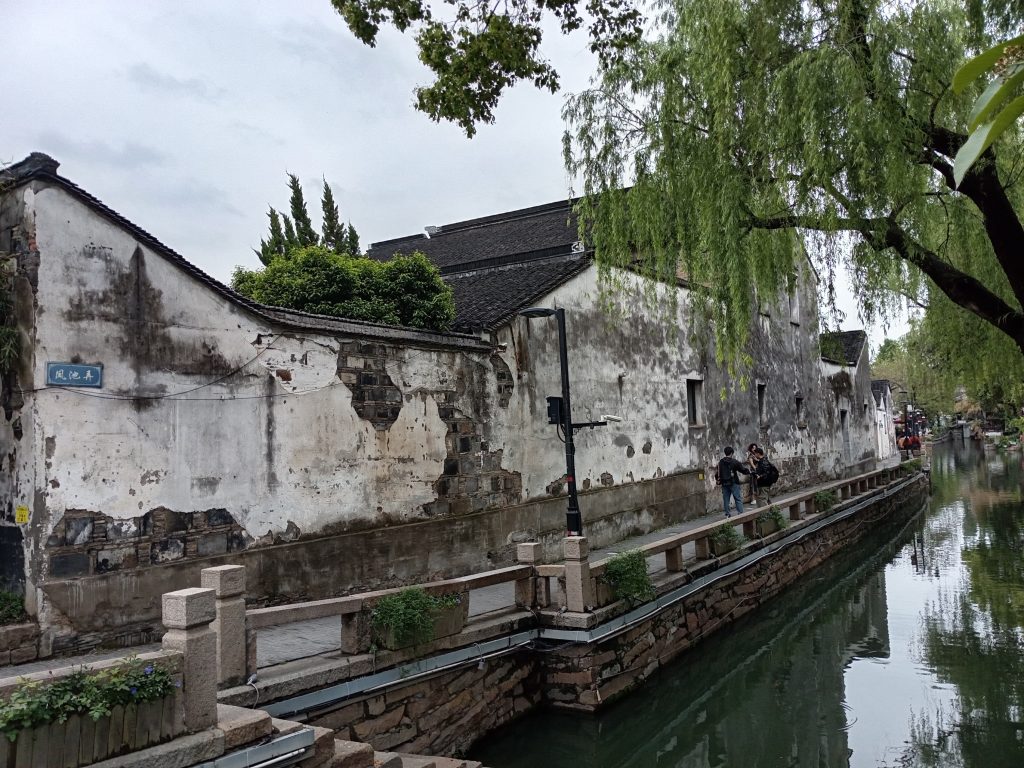
We continued until we reached an old canal, then turned left and crossed the road to walk along the canal.
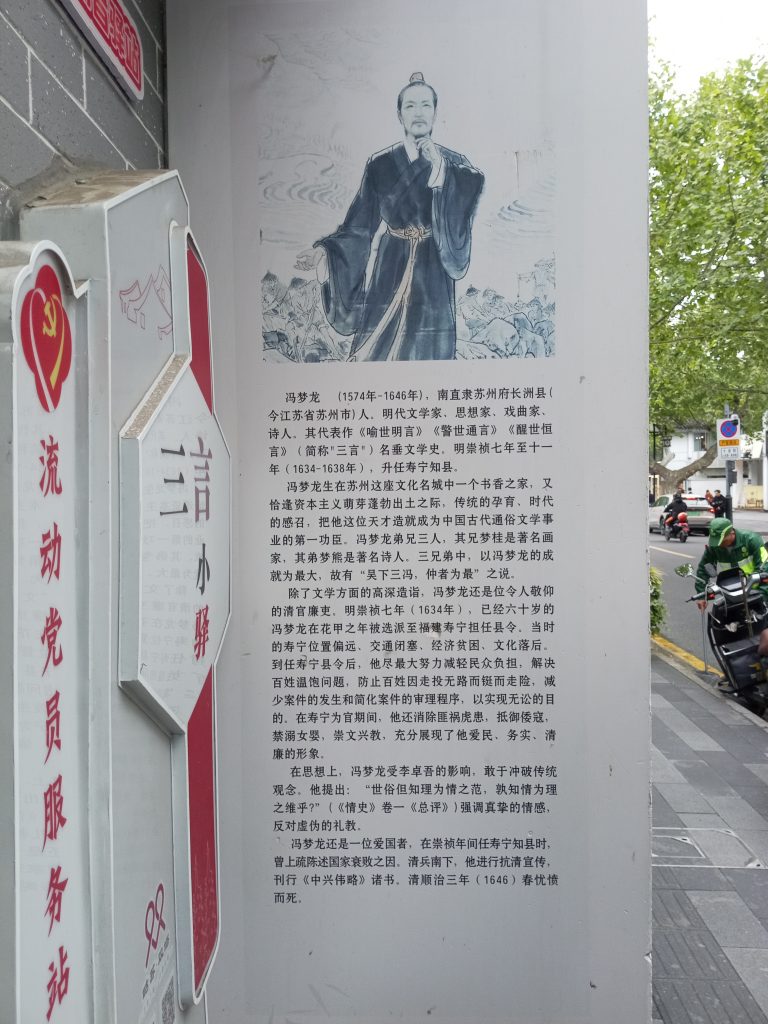
We crossed a flat bridge exhibiting the historical journey of Feng Menglong, the renowned writer and exemplary official of the Ming Dynasty. His masterpieces included “Words of Wisdom to Enlighten the World,” “Words of Warning to the World,” and “Words to Awaken the World.”
We then enjoyed coffee at a cafe our friend frequented, followed by a visit to a famous local restaurant in Suzhou, known for its “crab and shrimp noodles.”
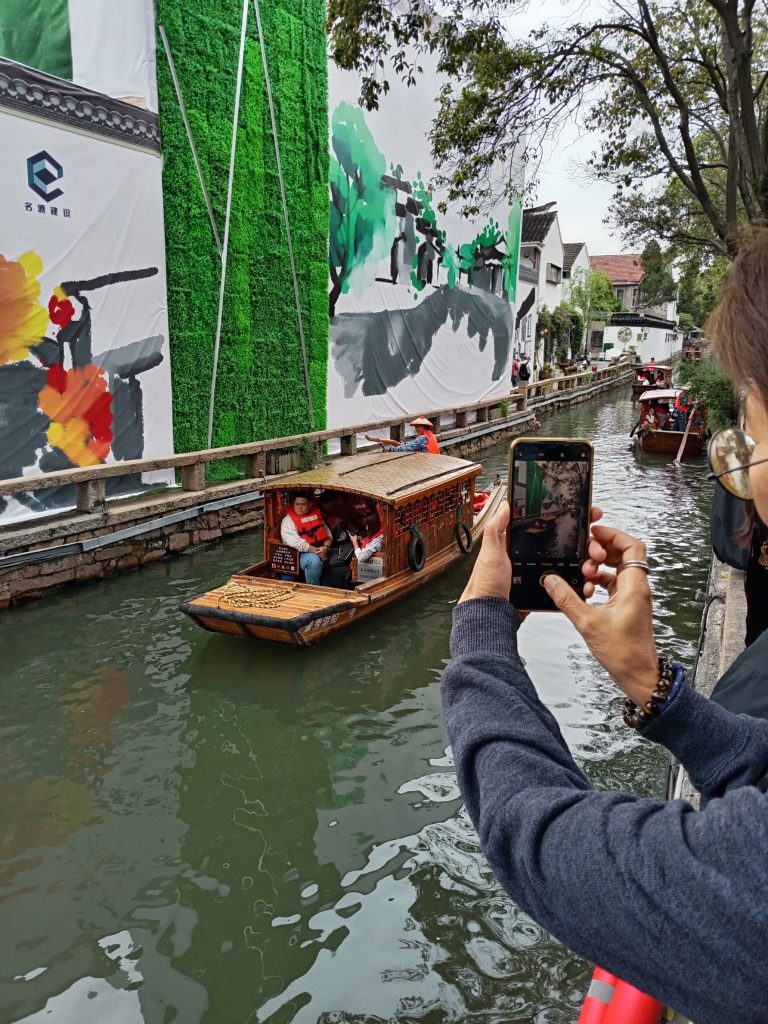
After a satisfying meal, we strolled along the ancient canal, where decorated cargo boats were moored, waiting for tourists to take photos, creating a sense of stepping back in time.
We then chose to continue walking along the narrow alleys. Before someone in the alley warned us, “This is a dead end, there’s no way out,”
We walked out onto the main street that led to the ancient canals of Pingjiang, a traditional silk-weaving district. These canals connect Guangzhou to Suzhou and then to Taizhou in Zhejiang Province.
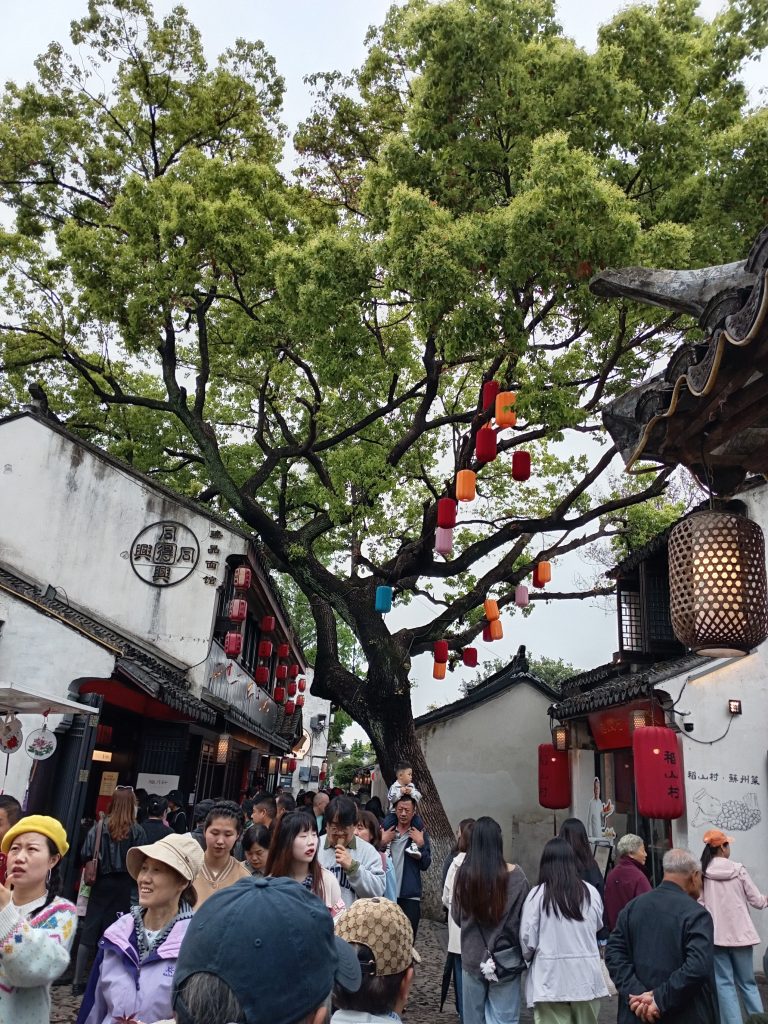
Many people from other regions visit this area. Some have put up large vinyl banners on old buildings, featuring old photos for people to use as photo backdrops. Numerous shops selling food, drinks, embroidery, and silk weaving showcase their products. Women row boats for tourists to enjoy the canal views. One side is bustling with people, while the other is quieter with fewer shops. We chose to walk on that side. My friend told me that last year, when he walked here and took pictures, there were no shops at all on that side. The overall atmosphere made me compare the peaceful old town atmosphere to the commercial old towns of Dali and Lijiang before and after the year 2000.
Before returning to pack my bags and check into Duke University, Kunshan, I saw a beautiful, large tree and decided to hug it one last time…
3. The future of learning to become human in the age of artificial intelligence.
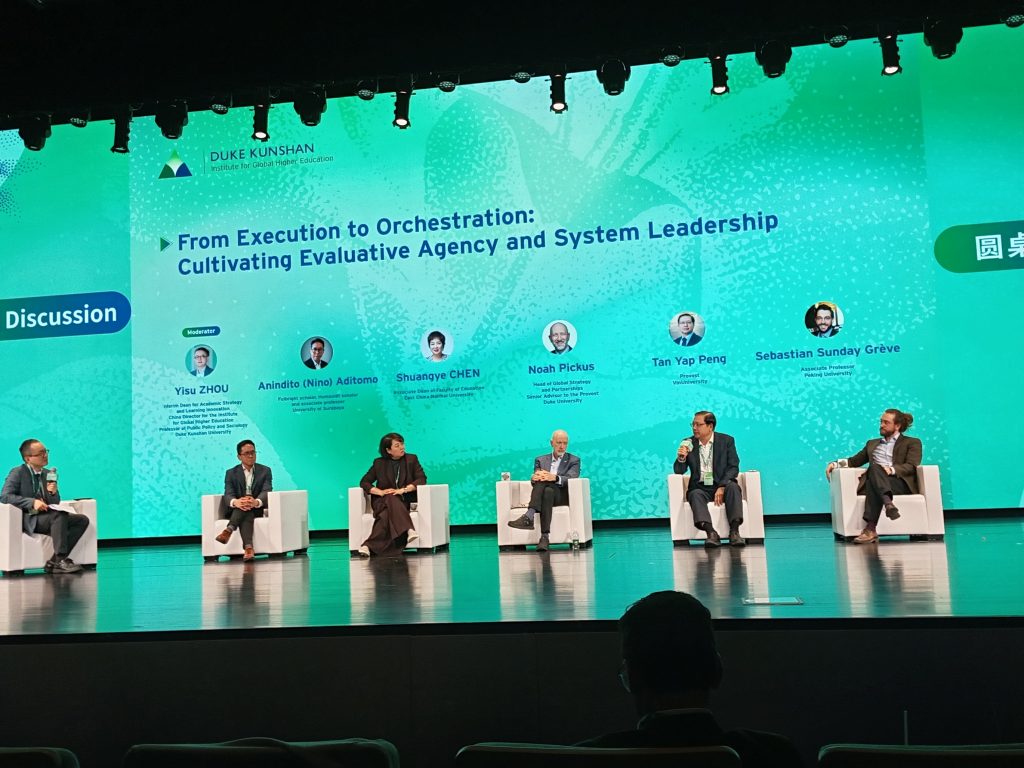
The Global Education Forum, 2026 International Conference on Educational Innovation, Duke University, Kunshan. Following the opening ceremony, the organizers held seven breakout sessions as follows:
1) From Practice to Coordination: Cultivating Evaluation and System Leadership Capabilities – Redesigning the Values of Higher Education by shifting teaching methods from operational to cultivating evaluative decision-making, system coordination, and strategic agility necessary to govern complex AI systems.
2) Reclaiming the Fight, Promoting Deep Learning When Everyone Can Participate – Supporting a human-centered teaching approach without intentionally using AI, leveraging tangible presence and experience to implicitly cultivate knowledge that algorithms cannot transfer.
3) The Crisis of Expertise: Reconsidering Teaching Approaches in the Era of Autonomous Agents – Addressing the crisis of expertise by redesigning teaching to train students to be architects and validators of rigorously AI-driven scientific processes, rather than merely practitioners.
4) Beyond the Choices of Participation and Non-Participation in the AI Movement: Authentic Teaching and Learning – Educational transformation and the third space. The question of when to adopt it must be answered: why use it, why not use it, and why use it at the cost of diminishing our own thinking, knowledge creation, and independent thinking.
5) The fifth panel, on transforming the role of educators—from knowledge transmitters to learning architects—when and how learners and teachers should shift from brain-muscle interaction to artificial intelligence.
6) Humanities research and creative practice combining human and artificial intelligence—exploring the human-artificial intelligence hybrid through a living, performance laboratory to understand how the transmission of collaborative work and the uncertainty of machines are redefining creativity, evaluation, and critical judgment in humanities practices.
7) Artificial intelligence and authenticity: community and local knowledge—community-based learning and civic organizations—dialogue: how do human connections work in an era of indirect mediation? Based on the concept of authentic education.
In the seventh panel, which my colleagues from the Mae Nam Khong Local Knowledge Institute participated in, we explored community-based learning, encompassing experiential learning, as a key pillar in the artificial intelligence era. By gathering input from diverse perspectives, including academic researchers, frontline practitioners, community leaders (who served as key co-educators), and student representatives, we explored local knowledge. We considered together how… Direct engagement with communities is an indispensable source for cultivating critical thinking, ethical reasoning, intercultural competence, and civic responsibility—qualities that truly shape transformative education.
I myself maintain that while we can learn swimming techniques from the world of artificial intelligence or the digital world, for us as humans to truly swim, we need to go into the river, into a swimming pool. Experiential learning remains crucial. A bioengineering professor from the National University of Singapore also emphasized that we need to learn through our senses—our noses, tongues, bodies, and minds—by actively engaging with our emotions and intellect. A professor from a university in Hong Kong stressed that putting students into real-world community service, rather than learning from artificial intelligence, is vital for human society. Similarly, an NGO developer from Yunnan stressed the importance of community-based learning in the real world. The moderator, a professor from Duke Kun Shan University, concluded that community-based learning, service, participatory research, or experiential education in general are not merely supplementary elements. In the AI era, we believe they are indispensable anchors for true learning because AI can generate answers, but it cannot resonate with the community. It cannot gain trust; it cannot feel the weight of local stories told face-to-face.
4. Take a walk around the university.
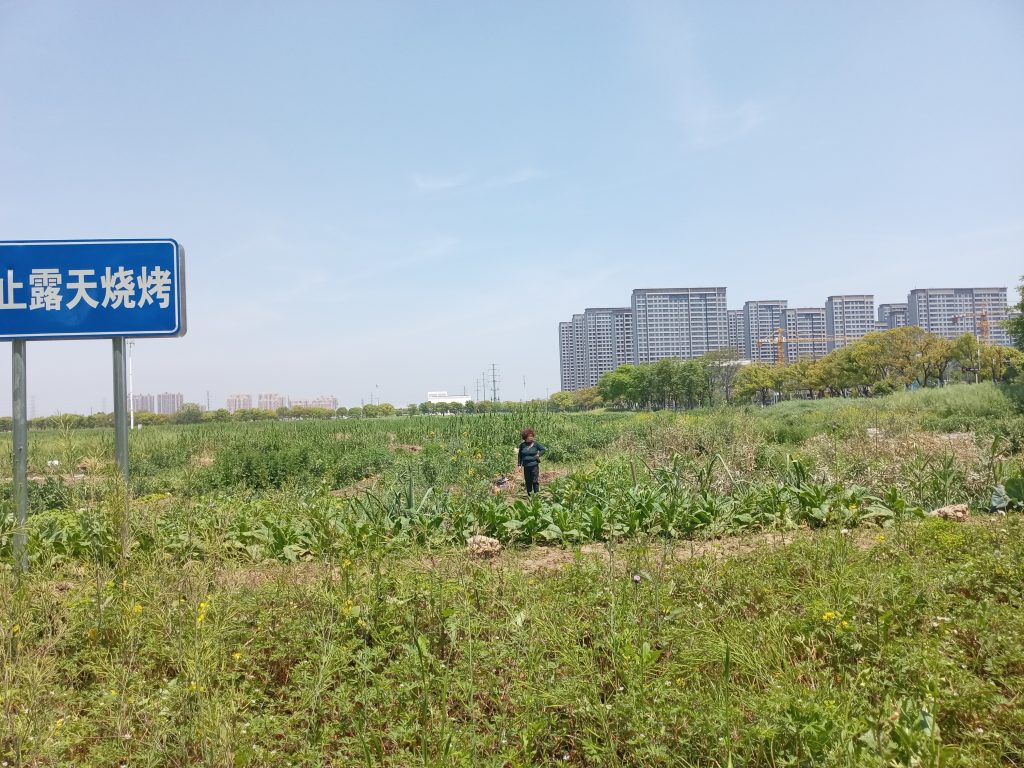
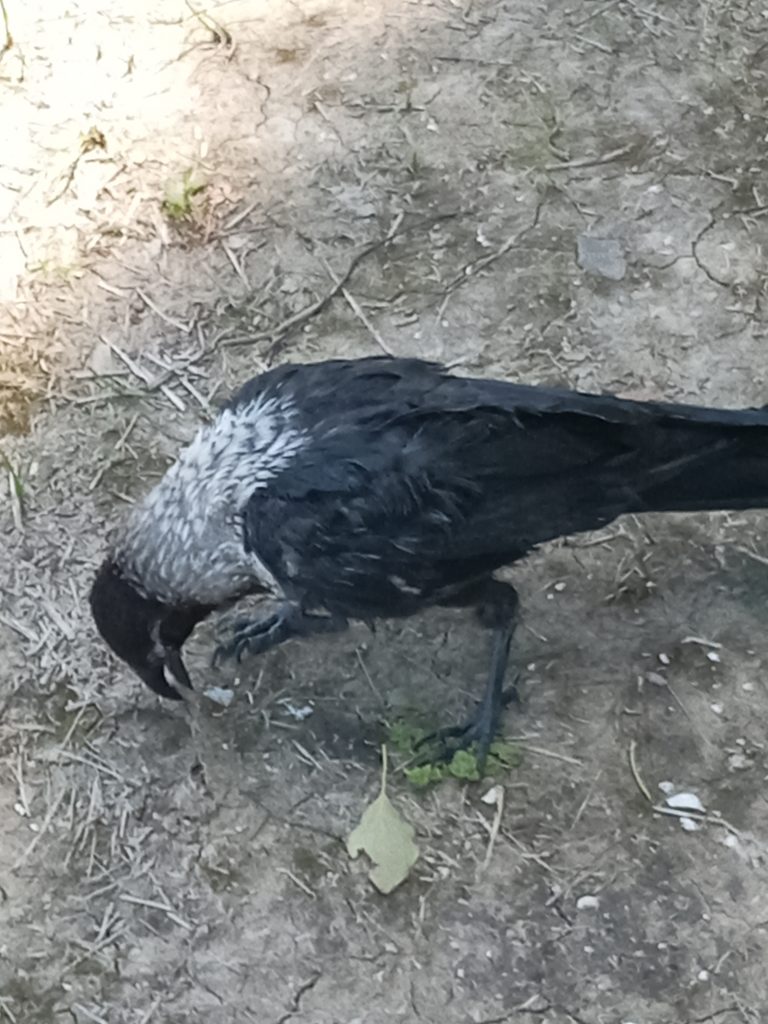
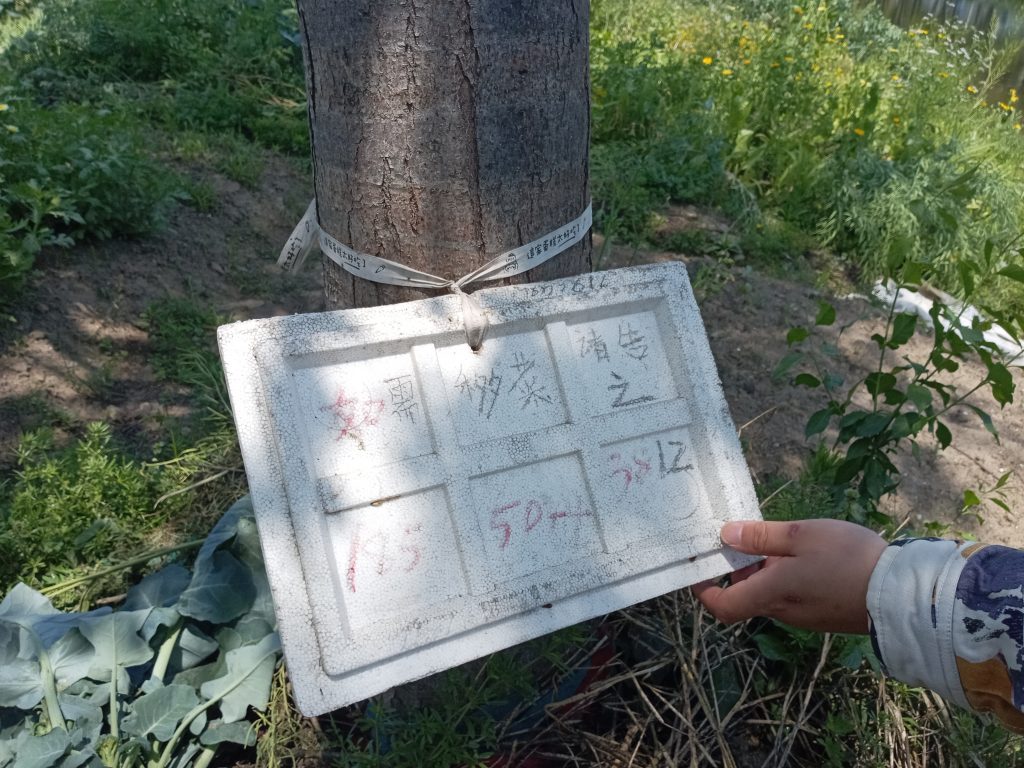
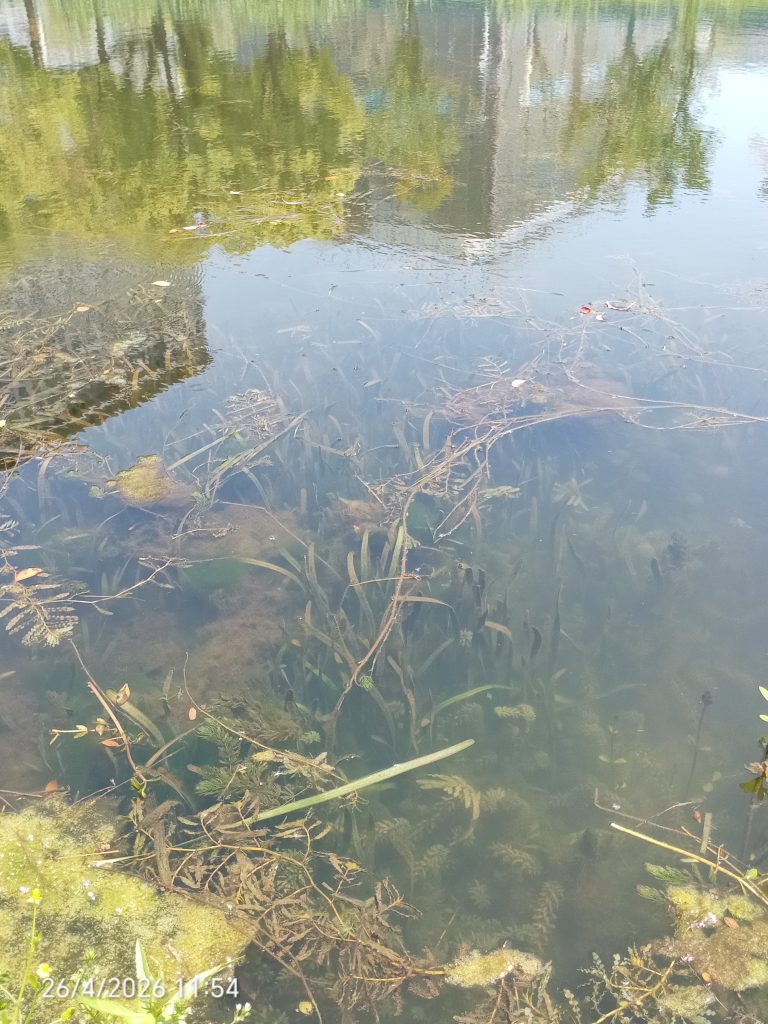
The discussion ended yesterday, but our conversation with my friend isn’t over yet. We walked around the university. We saw rootless trees planted all over the campus, the pale green lawns neatly trimmed, and angular concrete buildings with clear glass panels all around. It’s said that many birds fly into the glass and fall to their deaths. Students and professors even studied the birds’ behavior and used small dotted white paper strips to warn the birds that it was clear glass, not the open air of the sky. This helped save many birds’ lives, and they’ve expanded this process and story to be applied to other glass-paneled buildings, of which there are many in China.
We walked out through the side gate of Phase 1, along a shady path lined with Chinese maple trees, to the back area, which was formerly a village. Later, when the university was built, the villagers had to relocate to the tall buildings to make way for the construction of Phase 3 of the university. Some villagers still cultivate vegetables and farm in these areas. Plants similar to the mustard greens found in northern Thailand grow everywhere, along with reeds and cattails. These areas are seasonal wetlands, with raised-bed farming and irrigation ditches draining into several canals throughout the year.
We passed a clump of a type of bamboo beside the canal by the road, and saw the bushes sway briefly. Villagers carried small bamboo stalks to make trellises for their vegetables. We saw someone taking care of an injured bird, walking it around, and feeding it. On the other side of the road, villagers were having a picnic on a grassy hill, grilling and eating. This contrasted sharply with the area on the other side, where an expansion project was underway, and a sign read, “No grilling or barbecuing in this area.”
We walked slowly, chatting and admiring the vegetable plots along the canal on the other side. Some plots were unattended today, but had signs saying, “If you want to move these vegetable plots, you must call XXXX.” In some plots, villagers were busy scooping water from the ditch to water their plants. Across the canal, construction of tall buildings was encroaching. My friend explained that they were building the buildings very quickly; just last year, these buildings weren’t there.
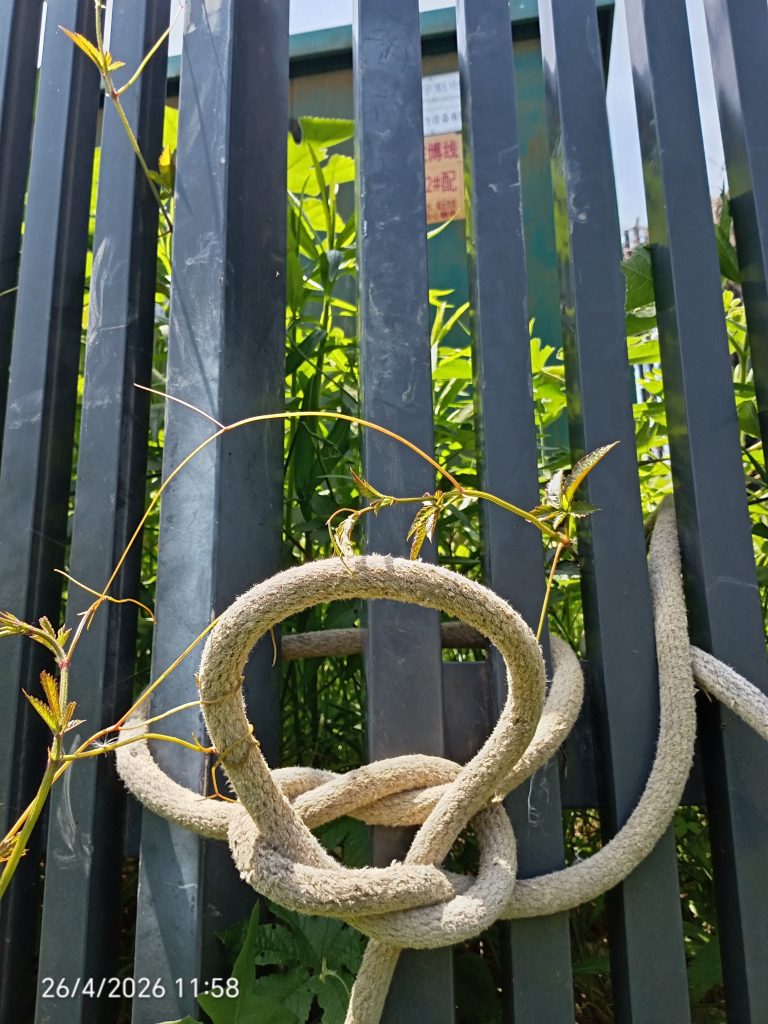
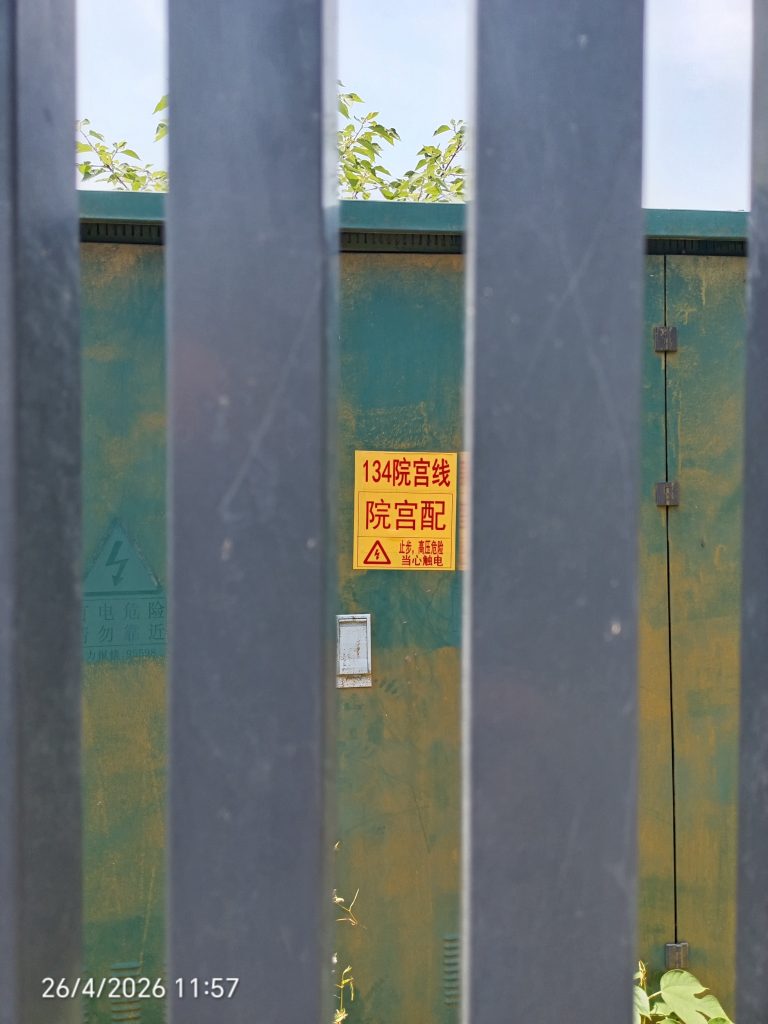
We walked until we reached another road leading to the university, where an electrical transformer shop was located on the corner. We turned left and returned to the university’s sports field. There was a sign promoting sports games to break up mobile or computer screen use and encourage people to exercise together. This activity had just finished. We passed the student dormitories and returned to the university’s cafeteria.
My friend mentioned that the area surrounding the university could be used to provide community learning opportunities for students. We can learn about vegetable gardening, or even create our own student vegetable plots. I agree that community-based learning should start with the communities surrounding the university. In Thailand, it’s similar; it initially began with villagers donating land. However, as time went on, the university started cutting itself off from the surrounding villages, failing to integrate community-based learning with the communities near the university to foster learning and development.
5. The Mekong Pace is depicted along the shores of YangCheng Lake.
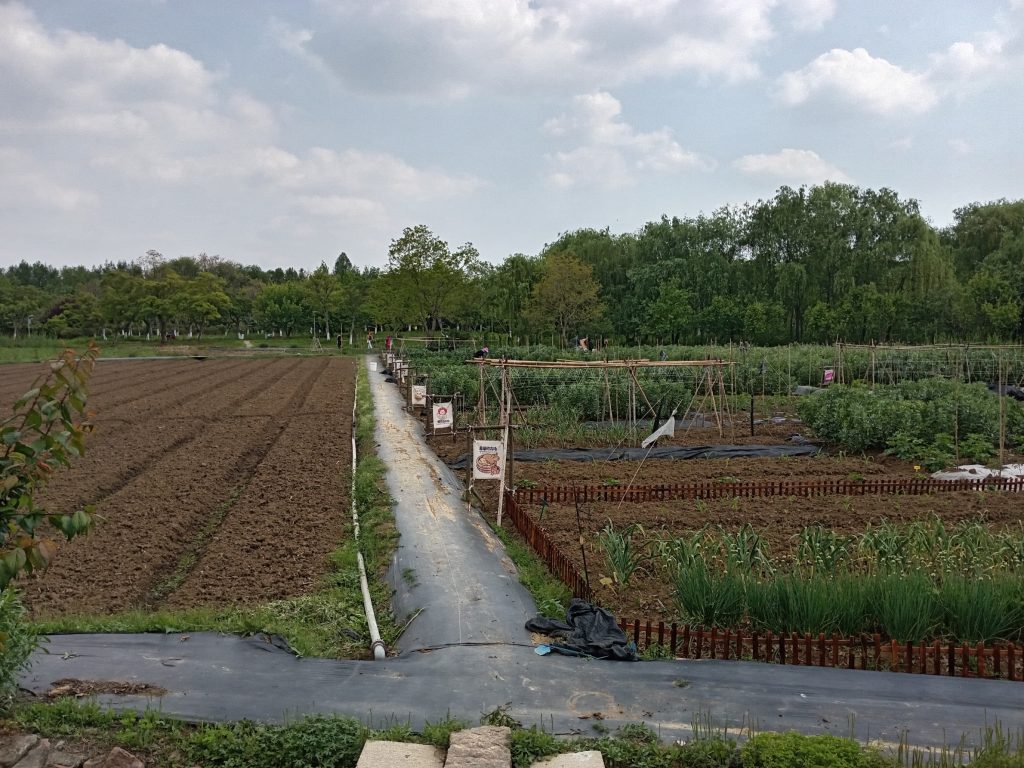

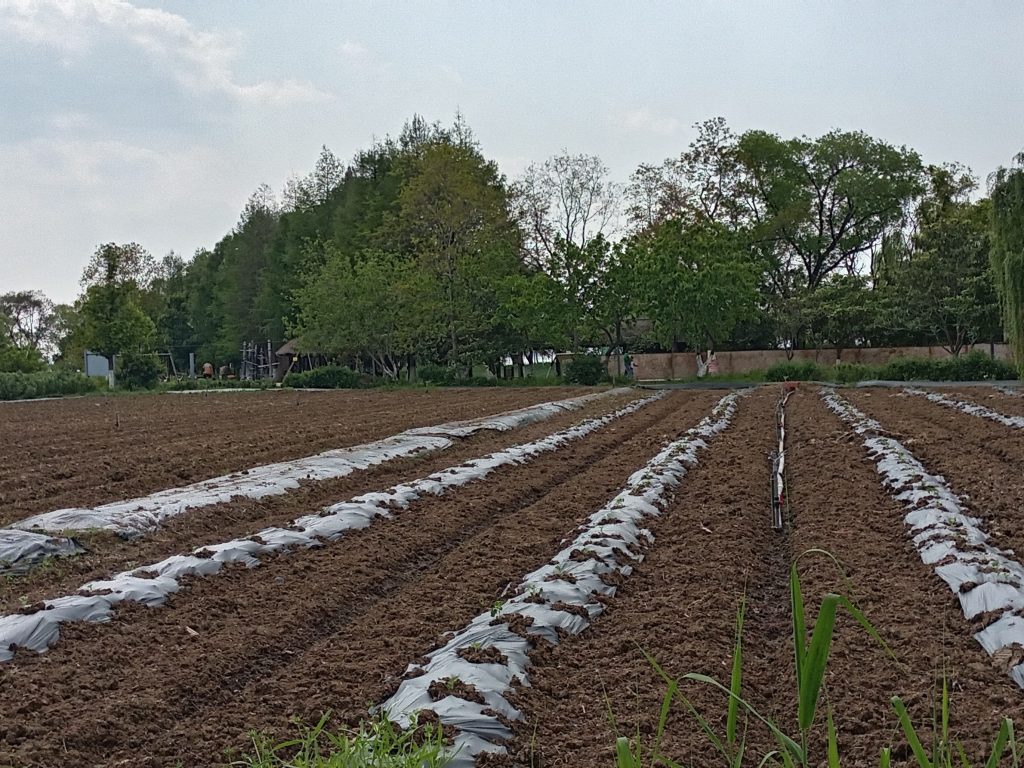
The trend of ecological villages and organic farms in China has surged recently. My professors and students told me that many young people no longer want to work in big cities, choosing instead to return to the countryside, forests, and fields to pursue organic farming or revive rural culture.
The farm we visited was near Yangcheng Lake, a famous crab farming area in Kunshan. It’s community-managed, charges a fee for visits and use of the grounds, and serves local food – sticky rice cakes with soy milk, served with green buns on bamboo leaves. My partner said it reminded her of the food she ate as a child in her Chinese family.
We walked through the pipa (Chinese calabash) garden, the vegetable garden, and then visited the seed bank. They keep a wide variety of seeds. In the large courtyard in front of the seed bank, young children were playing tug-of-war with their parents cheering them on. Afterward, the children were introduced to different types of seeds.
We then returned from the seed bank. We walked to a small conference room by the lake. Our professor friend screened the film “The Mekong Pace,” which showed different ways of traveling one kilometer along the Mekong River: by air, rail, boat, road, and on foot. It evoked vastly different feelings—extremely fast, leisurely slow, and exhaustingly slow. Which can you learn more from? After the screening, a discussion ensued, addressing various questions regarding the Mekong River. This was the first screening of this film in China, after obtaining permission from the community and the university…
6. The sound of Peking Opera singing from the Pa Cheng Water Hall.
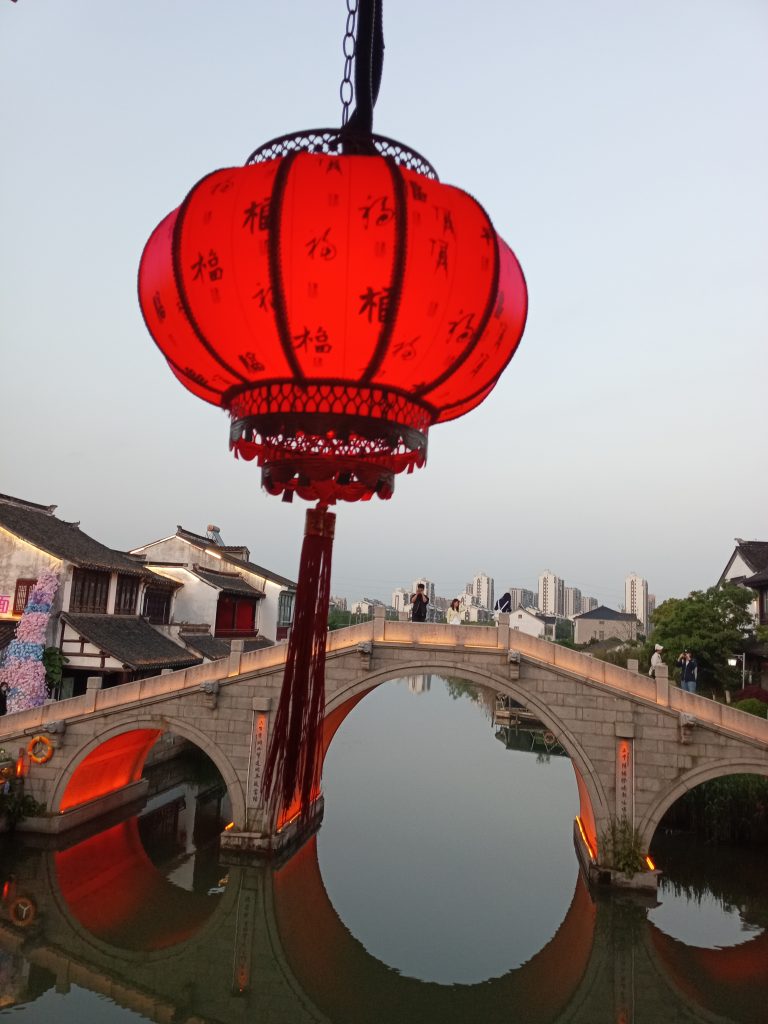
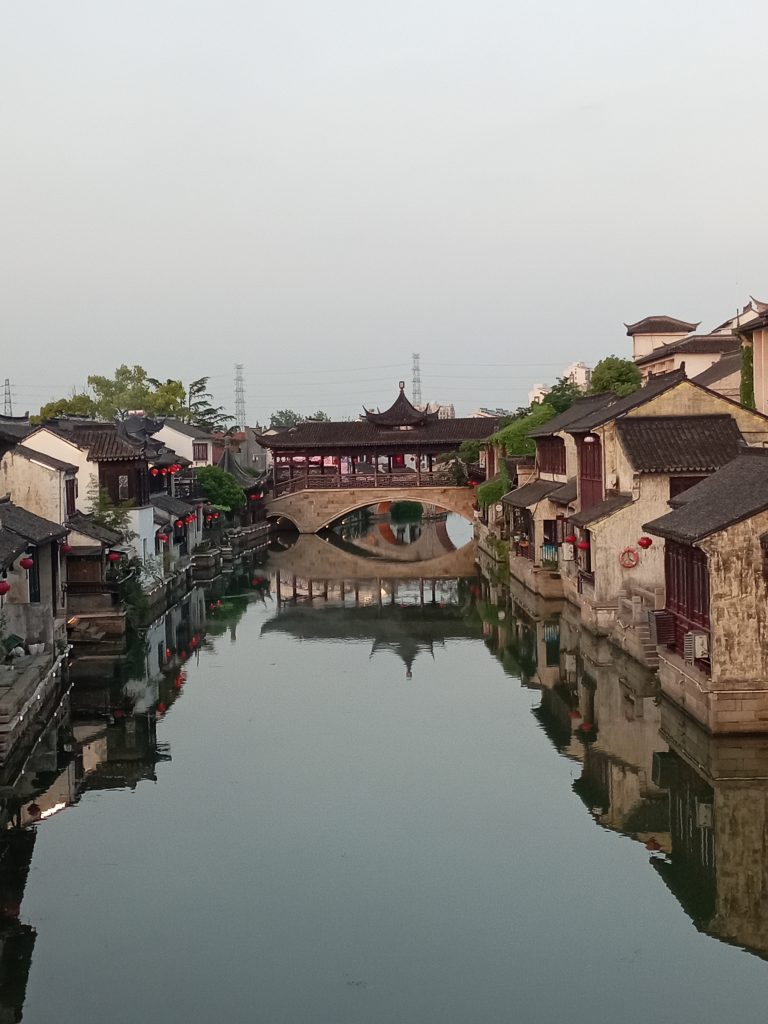
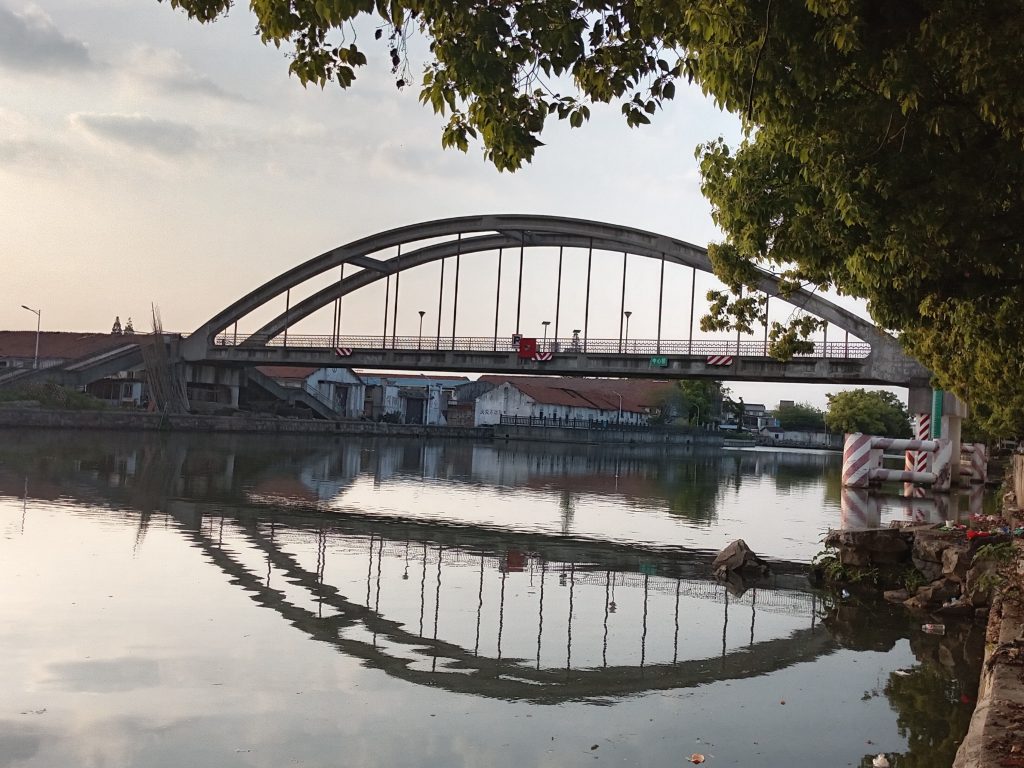
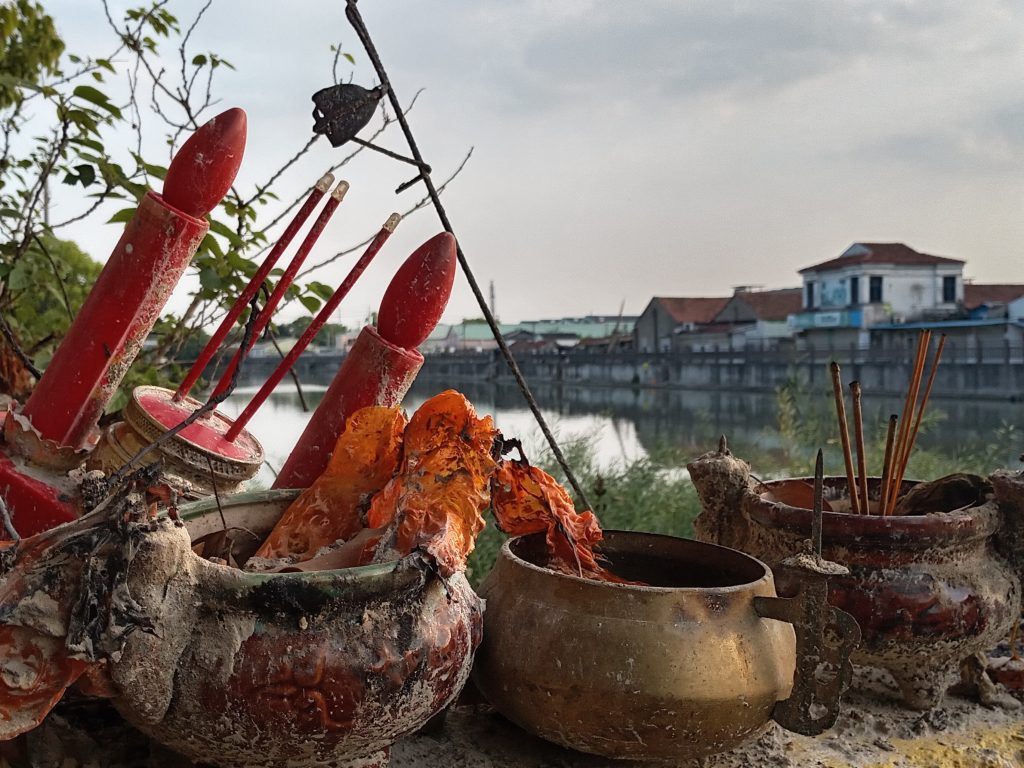
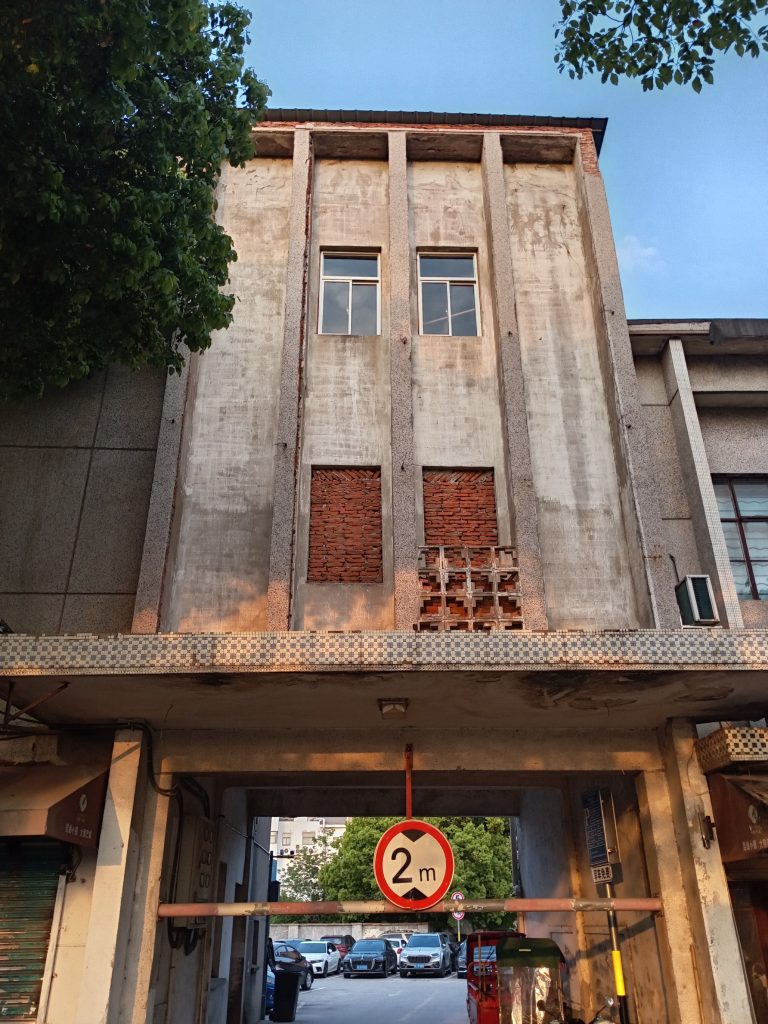
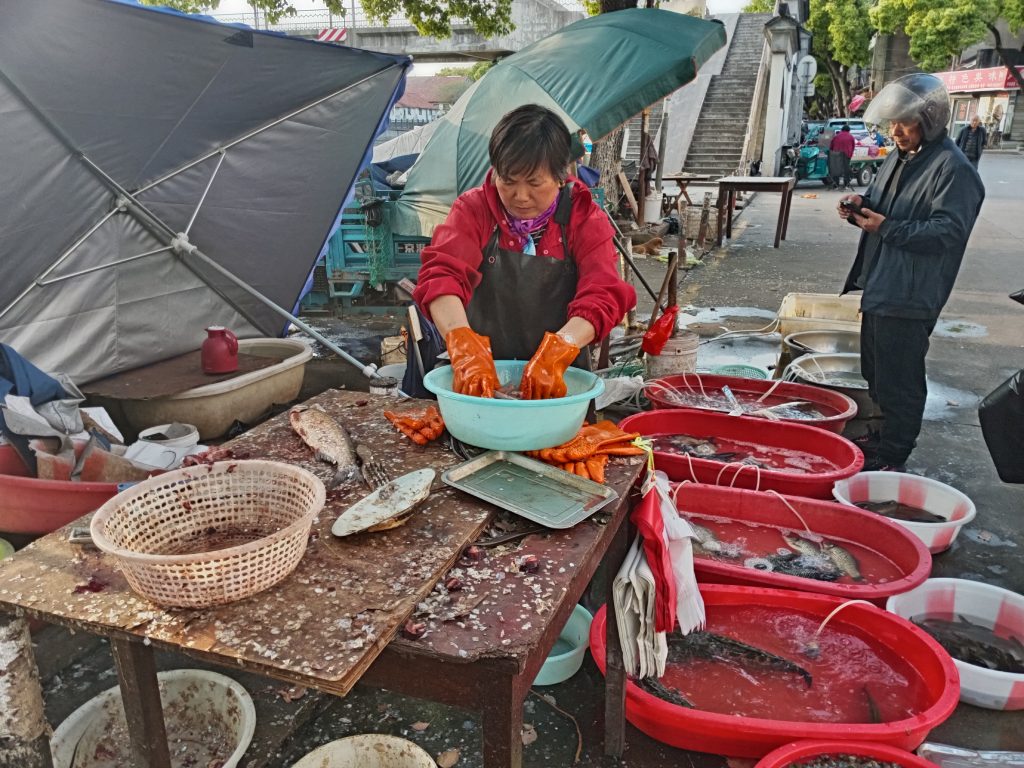
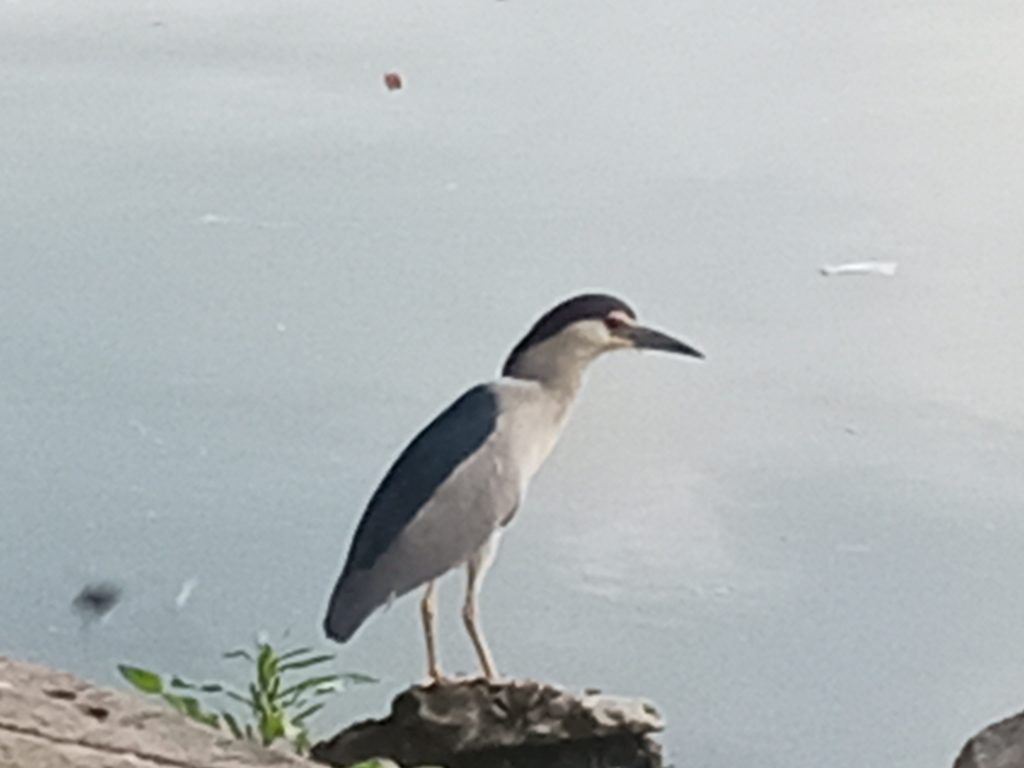
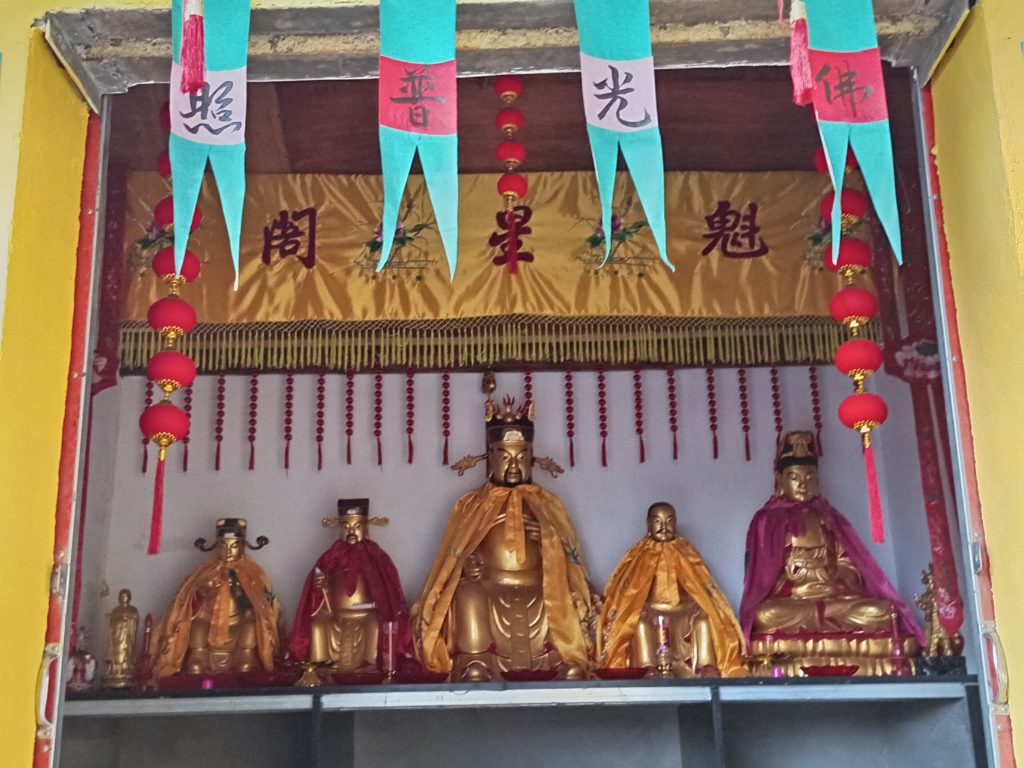
The old town’s floating market in Bacheng has various fish and seafood for sale along the roadside near the temple by the canal. Beyond the road is an ancient canal wide enough for two large sailing ships to pass each other. On the other side are old rice mills and warehouses, connected by bridges. A few fishermen are fishing near the old warehouses, and predatory birds stand waiting to catch fish near the market bank by the temple. We arrived at the market in the evening, when most shops were already closed. So we walked to the other side, past the old buildings, into the old town of Bacheng, where there were food and goods to buy for tourists. We turned right into a small alley lined with shops, one side bordering the water. We walked until we emerged into an open square. The distinctive sound of Bacheng’s Peking Opera could be heard from afar. They were singing under a pavilion by the water. We walked past the “Water Tower,” an arched bridge with a roof, and then viewed an exhibition of old poets, writers, and Peking Opera singers. We passed an old hotel building and a new hotel under construction. After that, we hailed a taxi with my brother to have a Chinese banquet in Kunshan before returning to our university accommodation.
7. Artificial intelligence, swimming, cooking, and friendship.
Perhaps friendship doesn’t always require traveling to modern cities or enjoying lavish meals. Often, friendships begin in the kitchen, where we cook and share meals. One person prepares a dish, another prepares another, then we share and exchange food, conversing about both our differences and our similarities, just like the food itself. Great friendships don’t need to be found in fancy restaurants. We may know menus, ingredients, and cooking techniques from artificial intelligence or the digital world, but truly cooking, sharing, and tasting food is something only humans can do, not in the world of artificial intelligence. Similarly, we can learn how to swim from the digital sea or ocean, or from AI, but to truly swim, we must get into real water—a river, a pool, the sea, or the ocean.
Or what do you think?
Having read this far, when you visit me at the Mekong School, I’ll cook you a dish or two to try. Such as “Tom Yum AI.” Don’t forget to let me know in advance, and our friendship will begin…
Written by Ratana KumPhorn