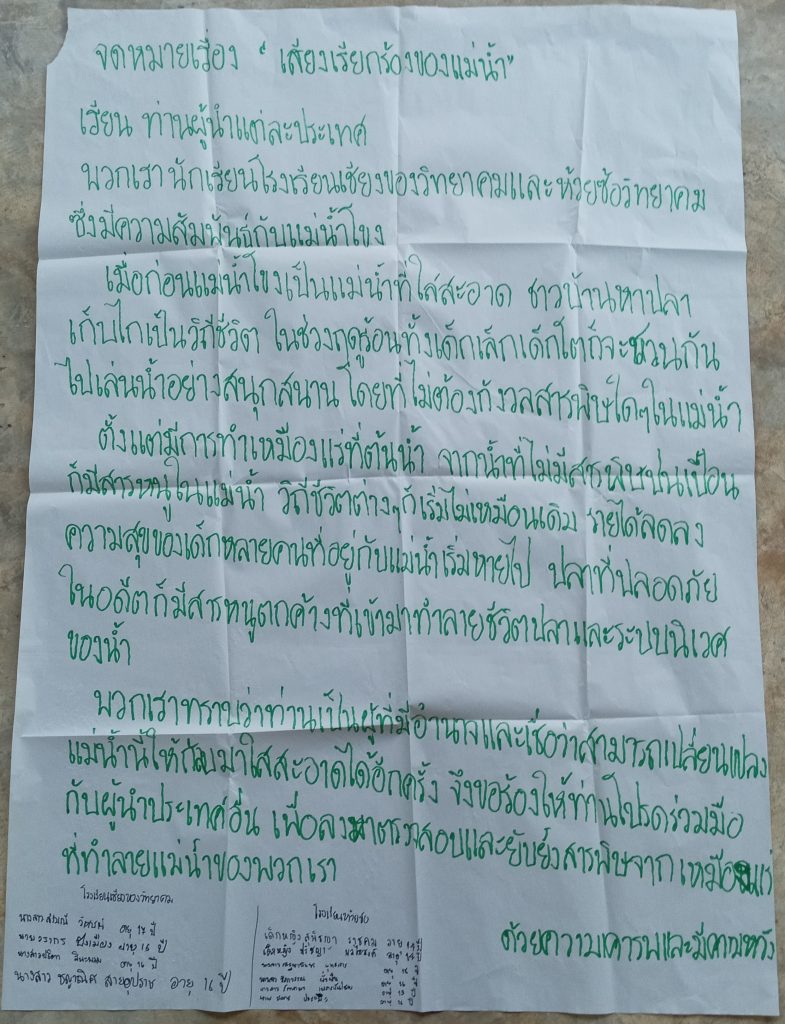

Communities in Chiang Rai and Chiang Mai are concerned about heavy metal contamination, specifically arsenic, in the Kok, Sai, and Ruak rivers that flow into the Mekong River, with levels exceeding safety standards. The Mekong School: Institute of Local Knowledge has therefore organized an eight-month “Arsenic Detective” program to educate youth on water quality testing, develop civic science skills, and collaborate with communities to propose solutions for river protection. This activity has also empowered youth and villagers to write letters communicating their feelings and facts, urging leaders to address problems they cannot resolve on their own.
Chiang Khong, 9:00 AM – 4:00 PM, December 15, 2025 – The Mekong School: Institute of Local Knowledge Institute, in collaboration with the Hill Area and Community Development Foundation and Plan International Thailand, organized a campaign to raise awareness and concern for the rivers and people affected by heavy metal contamination from illegal transboundary mines in the upper reaches of the Kok, Sai, Ruak, and Mekong Rivers. This was achieved through writing letters to the following leaders: the President of the United States, Donald Trump; the President of the People’s Republic of China, Xi Jinping; the Prime Minister of Australia, Anthony Albanese; the Secretary-General of the United Nations, António Guterres; and the leaders of various Mekong River Basin countries. The event was attended by 56 young people under the age of 25, along with 78 teachers, academics, and representatives from NGOs.
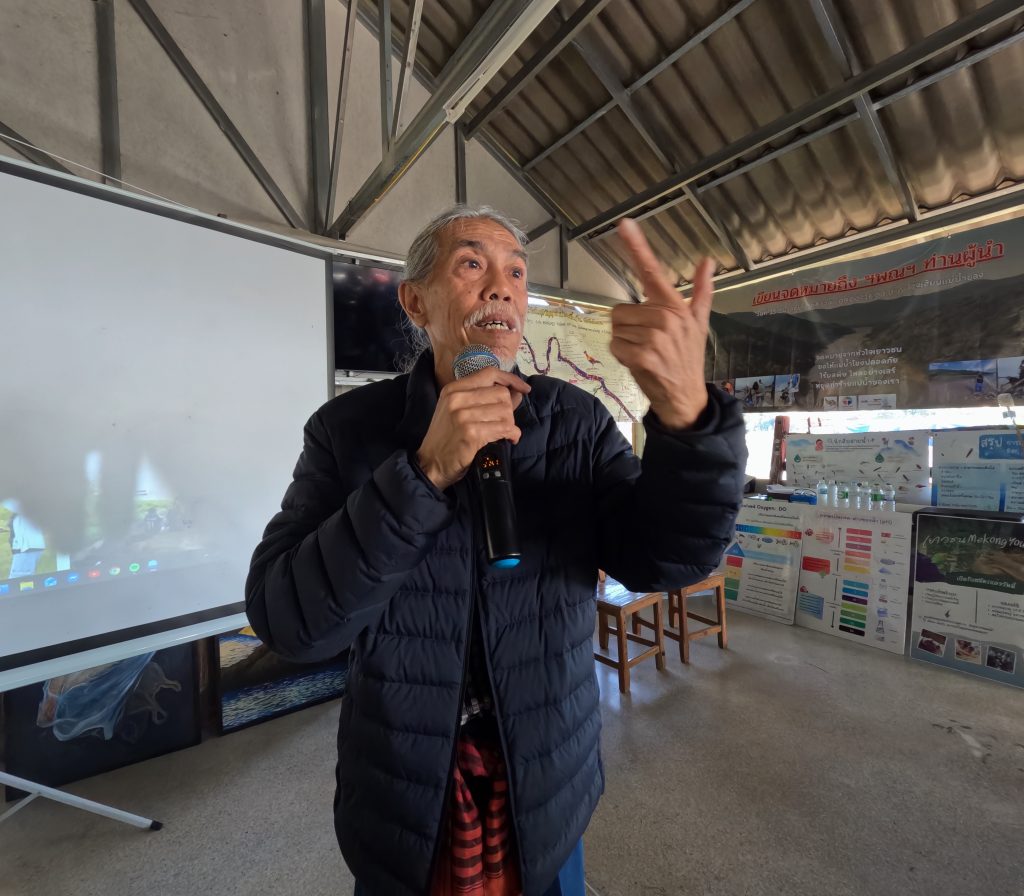
Mr. Niwat Roykaew, Director of The Mekong School: Institute of Local Knowledge, stated, “The toxic pollution problem in the Mekong River is the biggest crisis in the last thirty years. It not only destroys the abundance of natural resources but also accumulates in the water, fish, and crops, affecting the food chain and the health of people in the area. The Kok, Sai, and Ruak rivers, as well as rivers in Myanmar and Laos, are receiving toxic substances from substandard mines, including arsenic, cadmium, mercury, and lead. These substances don’t disappear but accumulate continuously, severely declining the livelihoods and food security of communities and impacting their health in the long term.
He emphasized that younger generations must have the opportunity to voice their concerns to world leaders such as those in China, the United States, and the UN through letters detailing the problems and impacts, to elevate cross-border solutions. Local communities cannot solve this problem alone. This movement will not stop here but will expand from schools in Chiang Khong to other areas, including ethnic youth and the elderly, to collectively tell their stories and push the global community to realize that this is not just a health issue, but the future of our children and the survival of all life along the Mekong River.”
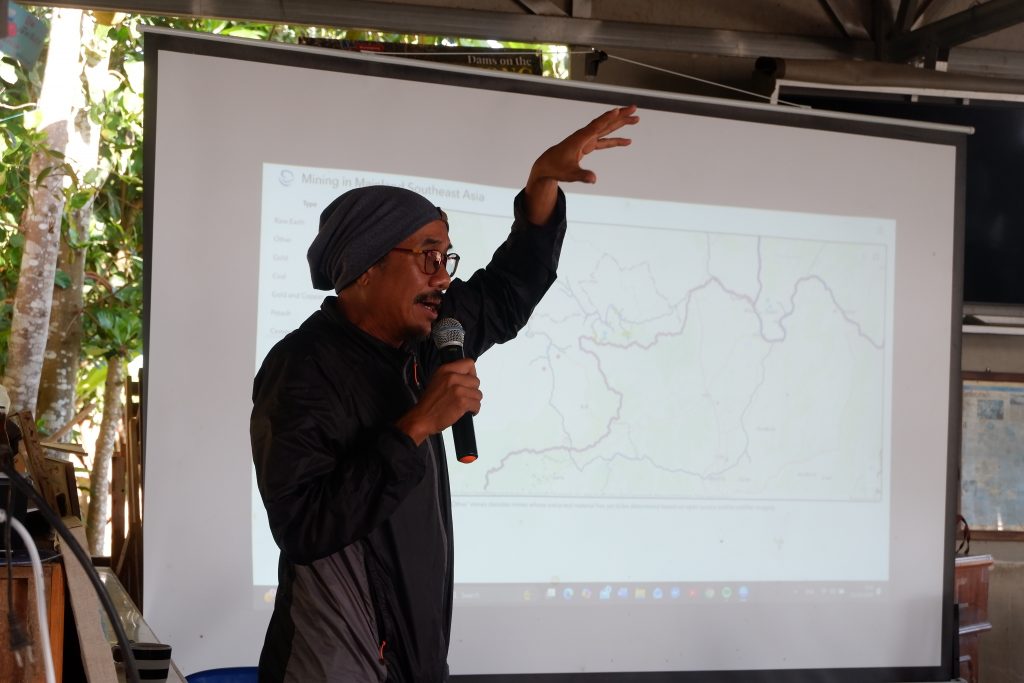
Mr. Nopparat Lamun, Project Manager of the Mekong Youth Project, stated, “Over the past eight months, the youth in the Arsenic Detective Project have monitored water quality in the Kok, Sai, Ruak, and Mekong rivers, as well as the Chiang Khong tap water. They found arsenic contamination at times, but it remained within standards, and in the last two months, no arsenic was detected. However, data from the water authority still detected arsenic in November, indicating the situation is not yet resolved. In addition, other parameters such as pH, temperature, dissolved solids, and ammonia were measured to provide a comprehensive picture of the water quality actually used by people in the area.
The main problem is linked to numerous mining operations, including In-Situ Leaching mines, Heap leaching mines, and alluvial mining, which are scattered throughout the basin. Satellite data shows over 2,400 mines in the region and over 800 in the Mekong basin. Many of these mines have not conducted Environmental Impact Assessments (EIA) or obtained proper permits, posing a risk to the environment and community drinking water. Although the Thai and Myanmar governments have established committees to address the issue, spatial limitations and sovereign authority persist, making it necessary to communicate these concerns to regional and international leaders to collaboratively find serious solutions.”
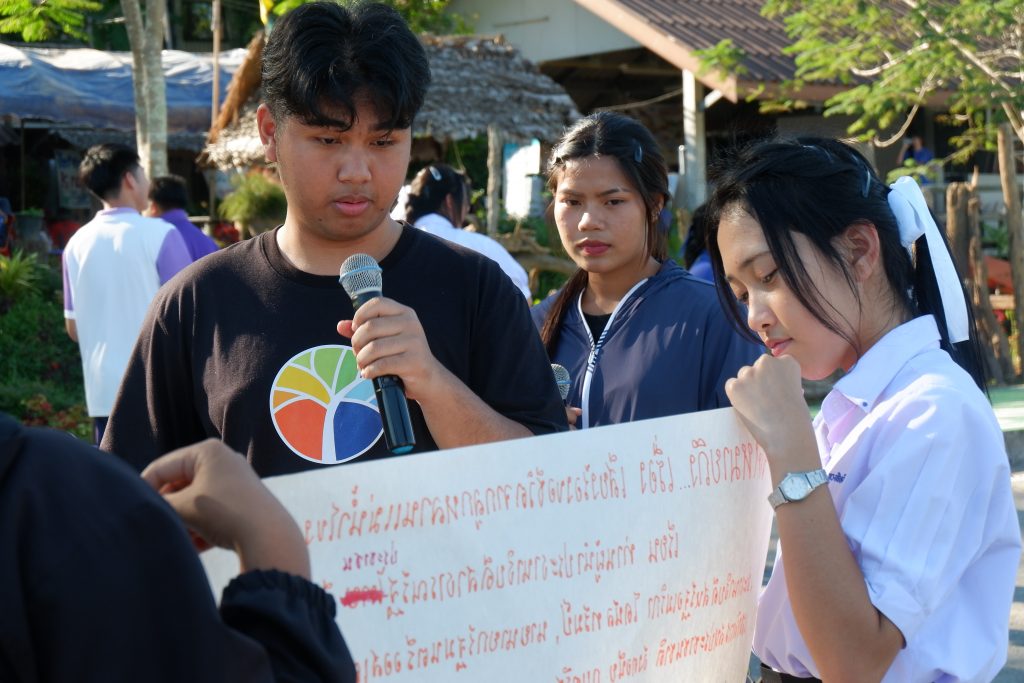
Youth representative Disyawarin Prinya-Potae stated, “The arsenic issue is very close to home. It affects all of us who use water. People in Chiang Khong and Chiang Rai are all affected. We can’t do much because the mine belongs to the other side. Ideally, we’d like them to stop drilling for rare earth minerals and such, because the chemicals flow into the water. It affects everyone living along the Mekong River, from rice farming to fishing. There are reports of arsenic contamination to the point that people don’t want to buy or eat fish. Fishermen are therefore losing their income.”
Potae further explained, “Testing with test kits may have some inaccuracies, unlike laboratory testing.”
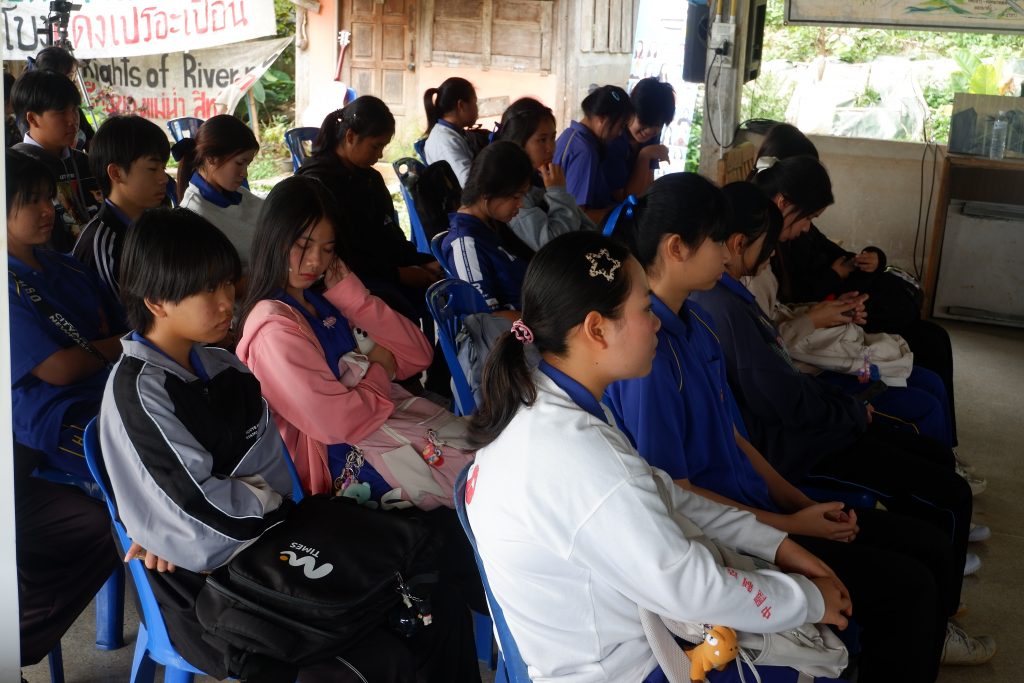
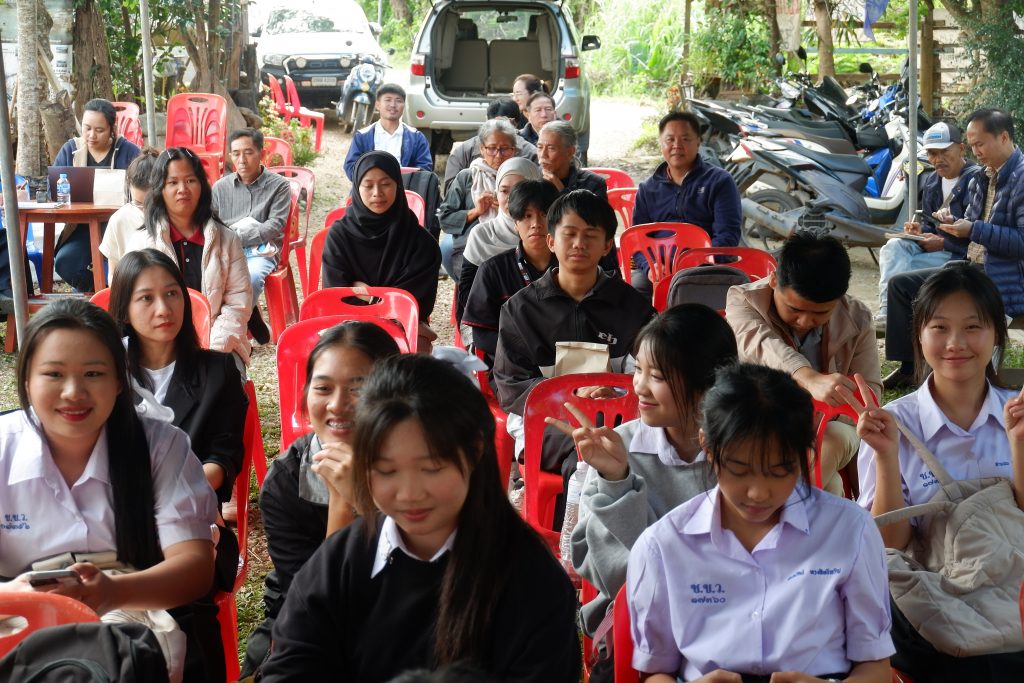
Another youth representative, Asadayuth Mulpetch-Inter, recounted, “Digital devices can measure DO, acidity, alkalinity, and salt content. Arsenic was found at the rafts along the Mekong River before reaching the raw water source for the Chiang Khong waterworks, and also at Kon Phi Long because it’s near the mine.”
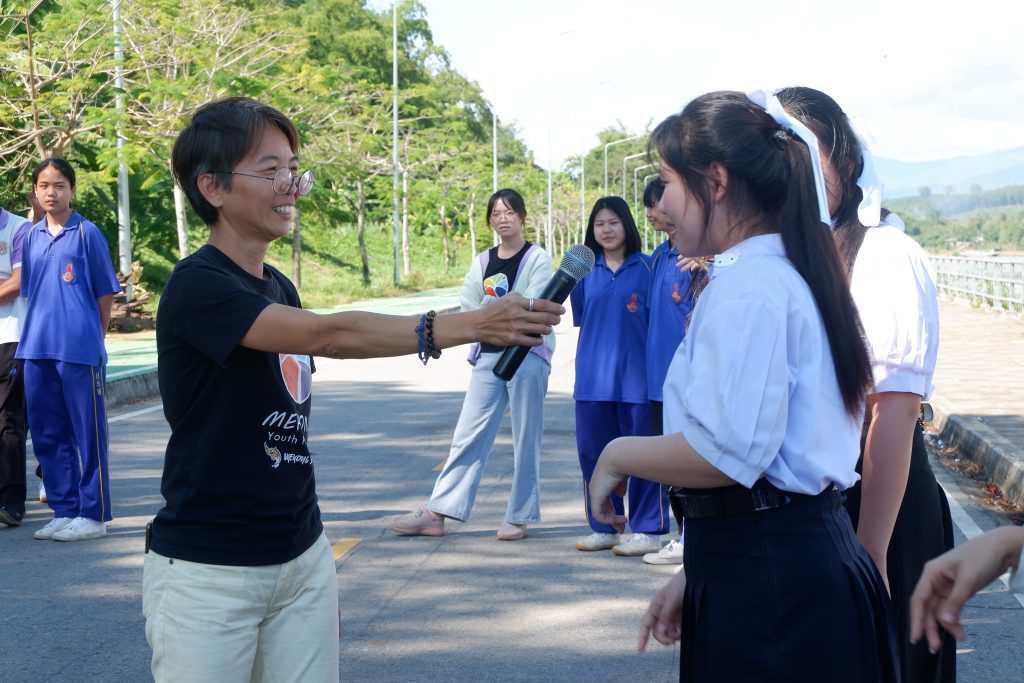
Ms. Malee Pattanaprasitporn, coordinator of the Mekong Youth Project, added, “There are seven checkpoints, such as Pak Nam Ruak, Ban Sop Kok, Ban Pong Khong, and Kon Phi Long. Arsenic levels were found to be between 0.005–0.01 mg/liter, which is within the standard limit. However, the government has adjusted the standard to 0.05, following Myanmar. Therefore, I would like to question whether this is a real solution to the problem. I would also like to invite Huai So Wittayakom Ratchamangkhala Phisek School and Chiang Khong Wittayakom School to communicate these concerns through writing, drawing, and songs to convey the message to those responsible.”
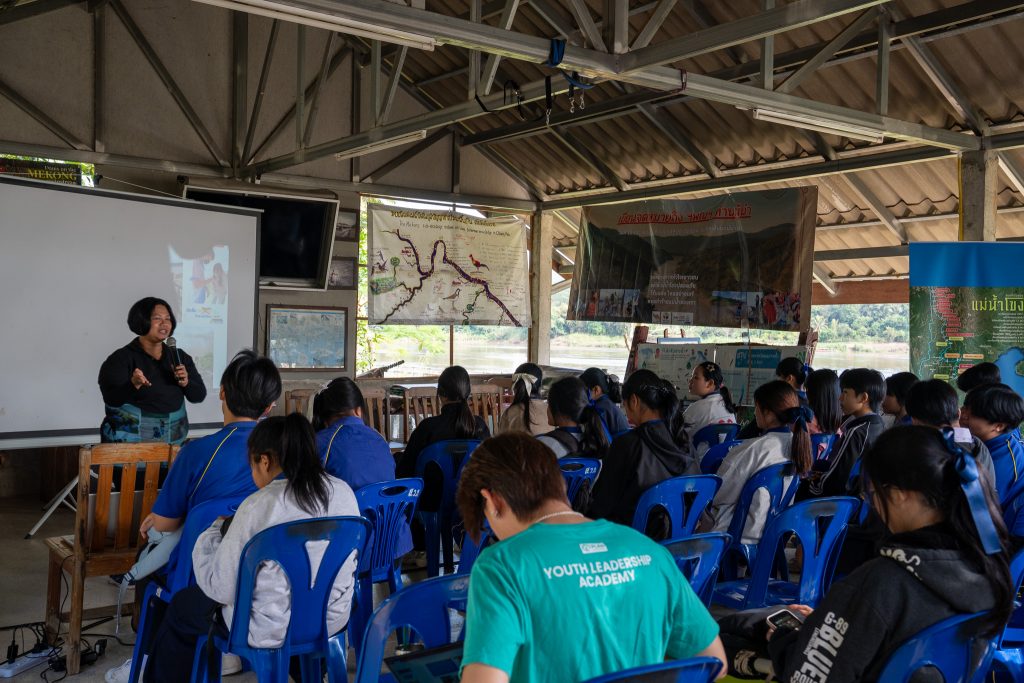
Ms. Benjaporn Inngam, a project officer for the Youth Leadership Council for Gender and Climate Action at Plan International Thailand, explained the difference between “hazard” and “disaster,” stating that while events may seem similar, their impacts differ. For example, a fire burning a few houses is a hazard, but a fire burning an entire village is a disaster. The arsenic contamination problem in the Mekong River, spreading from Tha Ton to Chiang Khong, is therefore considered a disaster because it affects lives, the economy, and society.
“The activities the youth are undertaking are not only good for the environment, but they can also help change the impacts we experience. For instance, water pollution affects the water we use, drink, and consume. Thank you for allowing us to raise our voices regionally and globally, letting people know that children and youth in Chiang Rai are affected by the actions of capitalists who profit from their businesses, but this also impacts those of us downstream.”
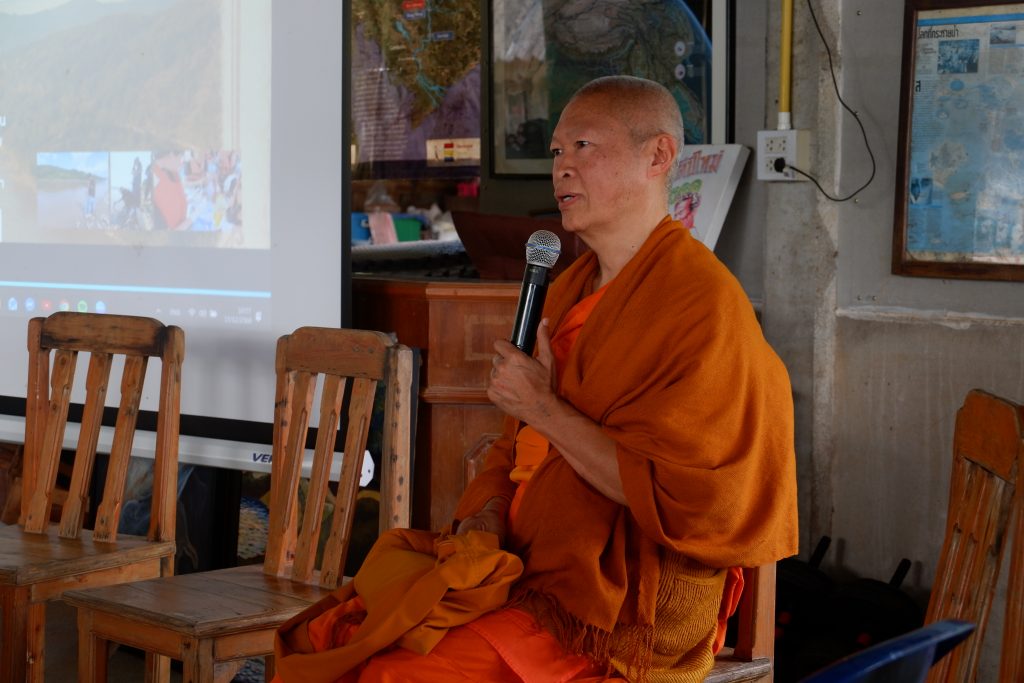
Phra Mahanikhom Mahabhikkhamno, Assistant Abbot of Wat Tha Ton and representative of those affected in Chiang Mai, stated, “Recognizing that natural resources, especially the Kok and Mekong Rivers, are legacies left for today’s youth to use and care for in the future, is crucial. However, they are currently being destroyed by toxic substances released from businesses and mines in surrounding countries, unknowingly impacting people of all ages. If we don’t understand the real problem, if we don’t know what we’re facing, we cannot build a secure future. Learning shouldn’t just be about textbook knowledge, but also about real life, the environment, and the impacts that occur, so that we can stand strong in the present and move towards a better future.
The most important thing is unity and building more good people. When we work together, serious problems become less severe, and difficult things become easier. Without unity, even small issues can become big problems. We must rely on ourselves and find many good people to be our friends in order to build an honest and strong society. Protecting the rivers and the environment is not the responsibility of one person, but a lifelong task for all young people to pass on, to learn together, and to solve problems so that the rivers can be clean again for our sustainable lives in the future.”
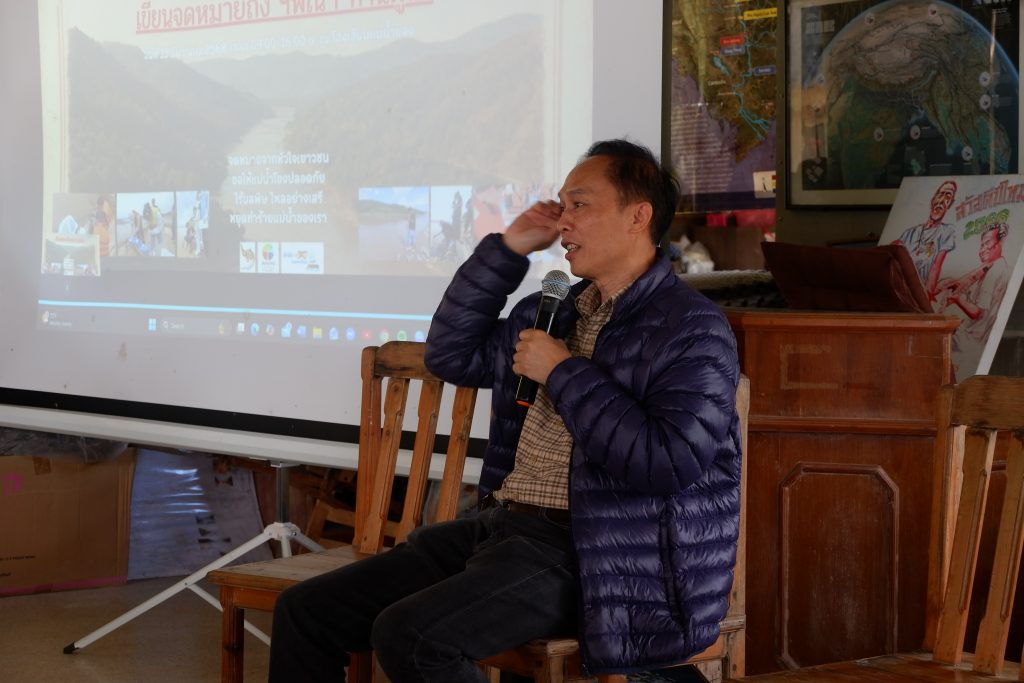
Assistant Professor Dr. Sathien Chanta, a lecturer at Chiang Rai Rajabhat University, stated, “Blood tests of 322 people who use the Kok River showed that everyone had arsenic in their bodies, averaging 19.48 milligrams per liter. Although only 7 people exceeded the standard limit of 100 milligrams/liter, the reality is that everyone has been exposed to arsenic, just not yet at the most dangerous level. This data reflects that the entire population is facing a silent threat from the accumulation of toxins in their bodies.
If this problem is not seriously addressed, arsenic levels will continue to accumulate and may cause people to start experiencing illness in the next 5-10 years, depending on individual differences. This serves as a warning for everyone to be aware, speak out, and cooperate to find solutions to protect our health today and in the future.”
In response to questions from the youth at the event, Assistant Professor Dr. Sathien Chanta further explained, “Arsenic is divided into two types: organic arsenic, which the body can naturally excrete, and inorganic arsenic, which is toxic and difficult to eliminate, leading to accumulation in the body. High levels require medical treatment.
Regarding contamination in the Mekong River, although direct testing in Wiang Kaen has not yet been conducted, results from several areas show arsenic present at every point.” Therefore, there is a high probability that Wiang Kaen may also be affected. As for elimination without medication, such as using herbs like Rang Jued (Thunbergia laevis), it may help to eliminate it through urine, but further studies are needed to confirm the results definitively.
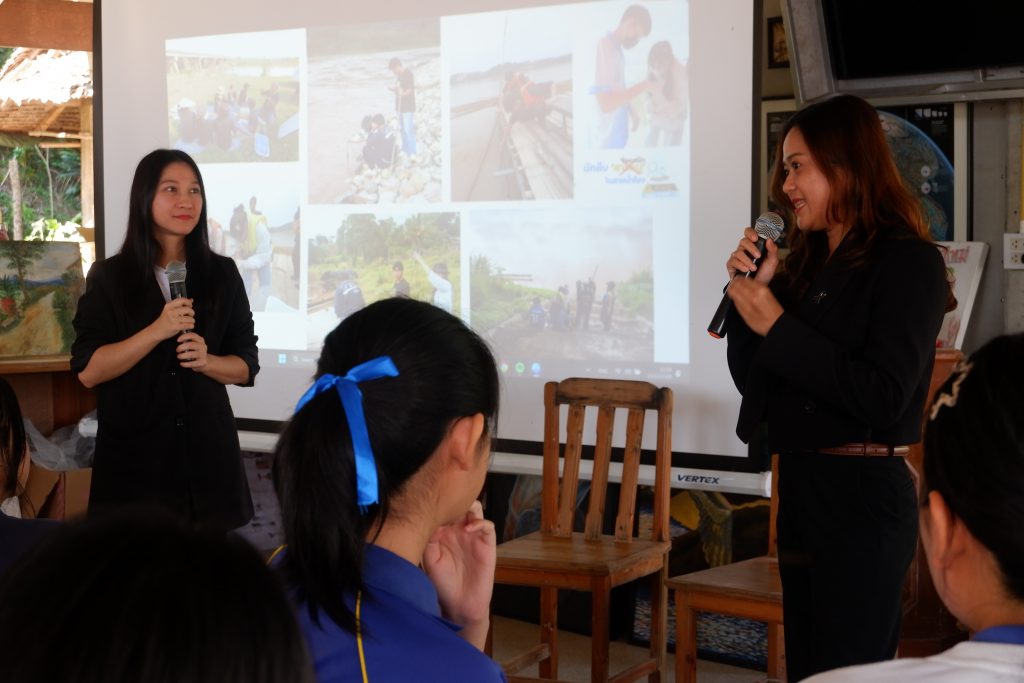
Assistant Professor Dr. Thitiporn Suwanwong and Assistant Professor Dr. Patcharanan Choto, from the Department of Applied Chemistry, School of Science, Mae Fah Luang University, discussed with the youth that ‘Arsenic exists in two main forms: As3+ and As5+. As3+ is significantly more dangerous because it easily binds to the body and is difficult to excrete. Chemists use oxidation processes to convert As3+ to As5+ to reduce its severity and allow it to precipitate in water, which requires treatment; the precipitate cannot be consumed. Chemical methods that help include developing filters or adsorbent materials to trap arsenic and other heavy metals such as mercury.
The body has a metabolic system or antioxidants that help expel toxins, but it’s not enough. Arsenic levels in the body should not exceed 20 ppm, while wastewater often exceeds the standard. Although it’s difficult to excrete, the best approach is to avoid exposure altogether, as heavy metals can cause mutations and cancer in the future. A varied diet is recommended to reduce accumulation. It’s also worth noting that arsenic binds well to alcohol, but this doesn’t mean it’s safely excreted.’
The main activity in the afternoon was “Writing Letters to His Excellency the Leader” on the riverside plaza under the large trees. The youth were divided into five groups, each identifying a problem they were facing and seeking solutions. Finally, they had to combine these two aspects into five joint letters. The Mekong School: Institute of Local Knowledge would then translate these letters and submit them through the embassies of each participating country.
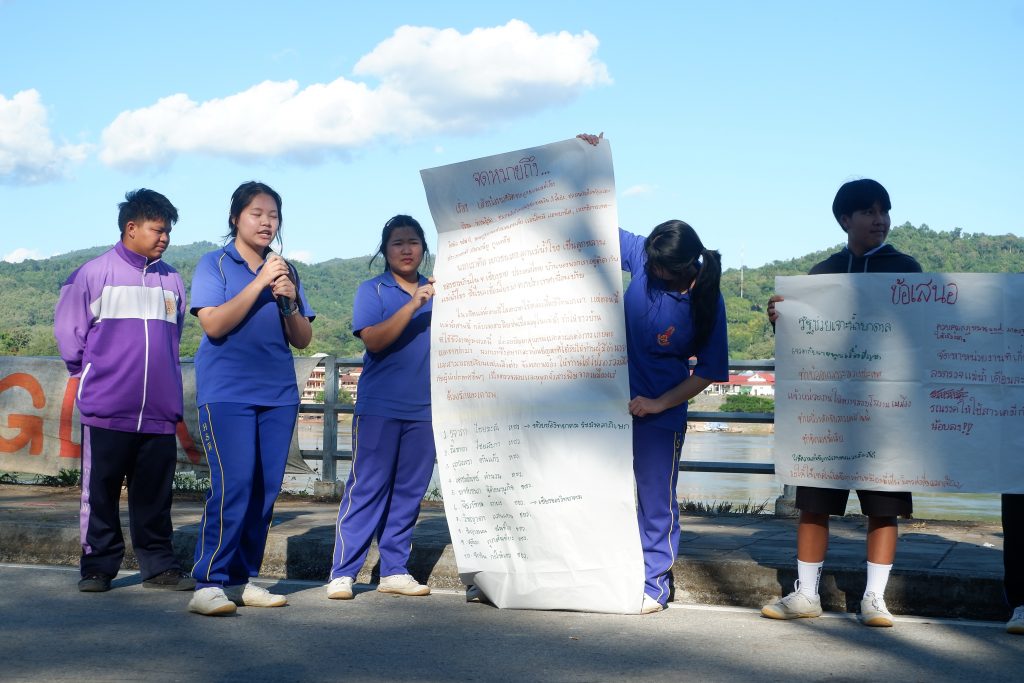
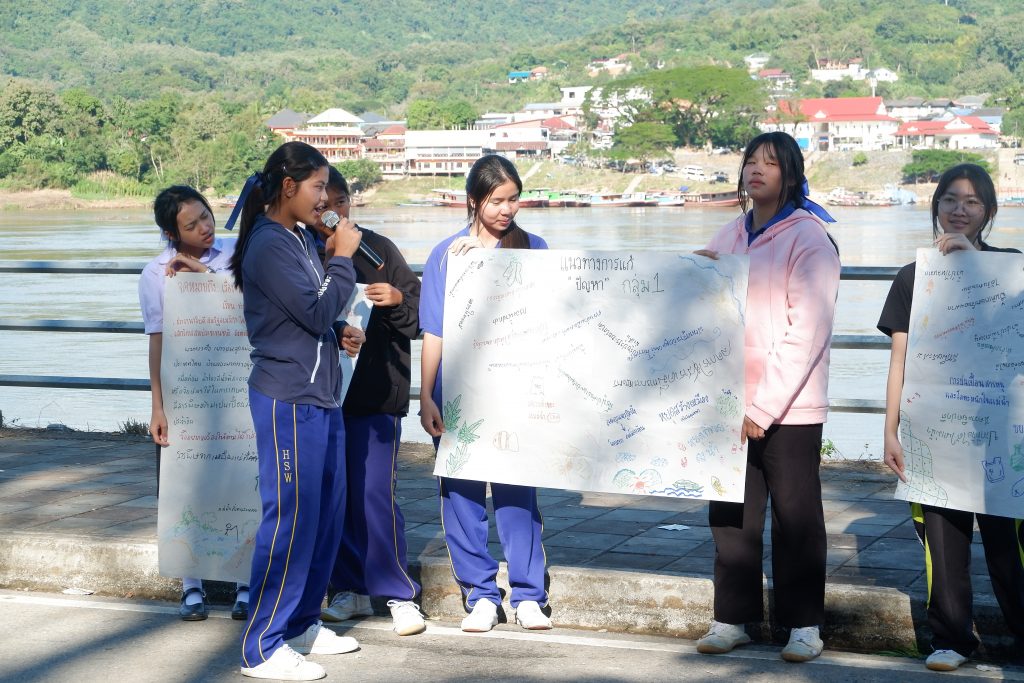

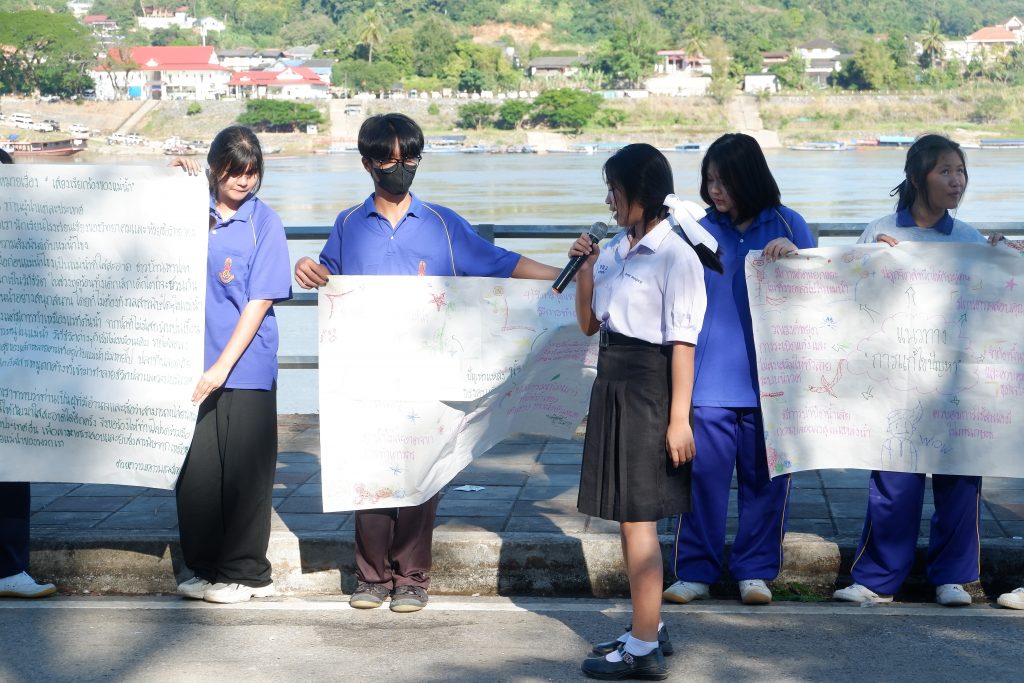
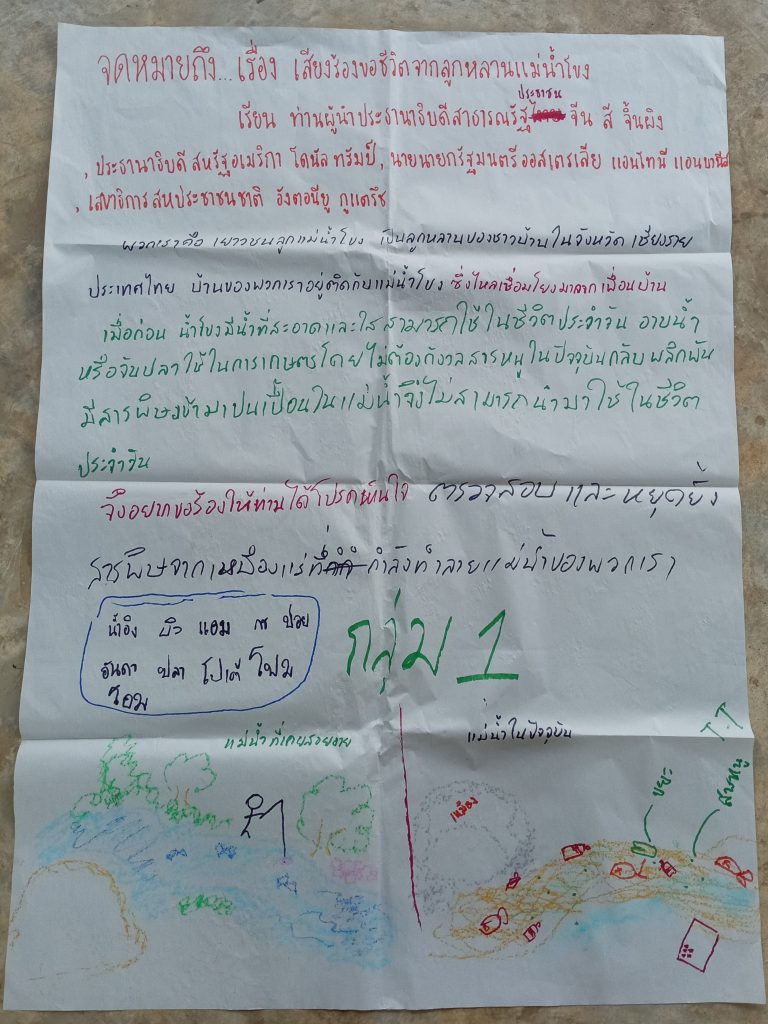
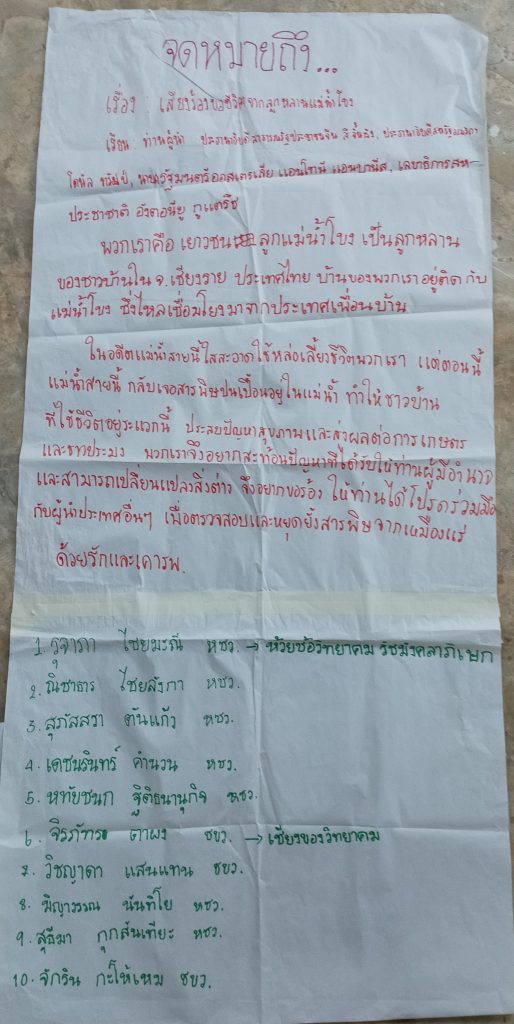
Letter to Your Excellency, the Leader, Issue 1:
Subject: A Plea for Life from the Children of the Mekong River
To: President Xi Jinping of the People’s Republic of China, President Donald Trump of the United States, Prime Minister Anthony Albanese of Australia, Secretary-General António Guterres of the United Nations, and Leaders of the Mekong River Basin Countries
We are the youth of the Mekong River, descendants of villagers in Chiang Rai Province, Thailand. Our homes are situated along the Mekong River, which flows from neighboring countries. Previously, the Mekong River had clean and clear water, suitable for daily life, bathing, fishing, and agriculture, without worrying about arsenic contamination. Now, the situation has changed drastically; the river is contaminated with toxins, making it unusable for daily life.
Therefore, we humbly request your compassion, investigation, and action to stop the toxic pollution from mining operations that are destroying our river.
With respect and hope,
Signed by Group 1: Nam-Ing, Bew, Am, Kung, Chom, Thanapha, Fluke, Prong, Foam, Aom
Letter to Your Excellency, the Leaders, Issue 2:
Subject: A Plea for Life from the Children of the Mekong
To: President Xi Jinping of the People’s Republic of China, President Donald Trump of the United States, Prime Minister Anthony Albanese of Australia, Secretary-General António Guterres of the United Nations, and Leaders of the Mekong River Basin Countries
We are the youth of the Mekong River, children of villagers in Chiang Rai Province, Thailand. Our homes are situated along the Mekong River, which flows from our neighboring countries.
In the past, this river was clear and clean, nourishing our lives. But now, it is contaminated with toxins, causing health problems for the villagers living in the area and affecting agriculture and fishing. We wish to bring these problems to the attention of those in power, who can bring about change. We respectfully request your cooperation with the leaders of other countries to investigate and stop the toxic pollution from mining operations.
With love and respect
Signed,
Rujara Chaimanee, Huay So Wittayakom Ratchamangkhlaphisek School
Nichatharn Chailangka, Huay So Wittayakom Ratchamangkhlaphisek School
Supassara Tankaew, Huay So Wittayakom Ratchamangkhlaphisek School
Dechnarin Khamnuan, Huay So Wittayakom Ratchamangkhlaphisek School
Hathaichanok Thitithananukit, Huay So Wittayakom Ratchamangkhlaphisek School
Jiraphat Taphong, Chiang Khong Wittayakom School
Wichayada Saentan, Chiang Khong Wittayakom School
Minyawan Nantiyo, Chiang Khong Wittayakom School
Sutheema Kuksanthia, Chiang Khong Wittayakom School
Chakrin Kahoetem, Chiang Khong Wittayakom School
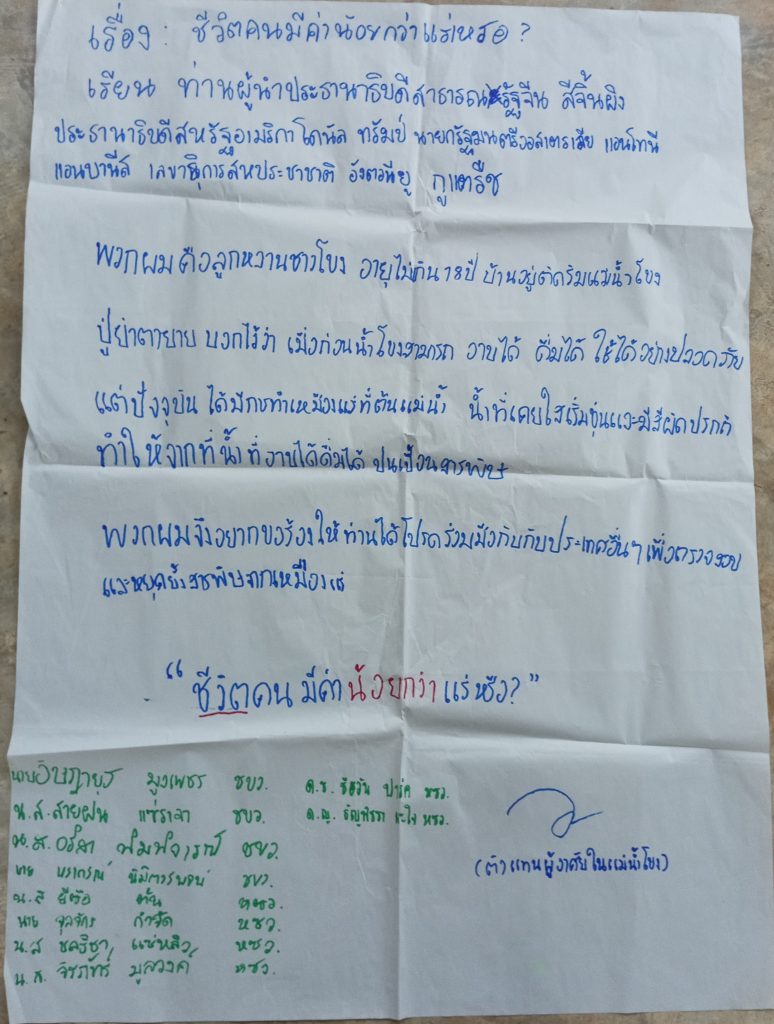
Letter to Your Excellency the Leader, Issue 3:
Subject: Is Human Life Worth Less Than Minerals?
To: President Xi Jinping of the People’s Republic of China, President Donald Trump of the United States, Prime Minister Anthony Albanese of Australia, Secretary-General António Guterres of the United Nations, and Leaders of the Mekong River Basin Countries
We are descendants of the Mekong people, all under 18 years old, living on the banks of the Mekong River. Our grandparents told us that in the past, the Mekong River was safe to drink, bathe in, and use. However, mining has now begun upstream, contaminating the once clear water, making it cloudy and abnormally colored. The water, once safe for drinking and bathing, is now contaminated with toxins.
Therefore, we humbly request your cooperation with other countries in addressing this issue. To investigate and stop toxic substances from mining.
“Is human life worth less than minerals?”
Signed, Residents of the Mekong River
Mr. Attawut Mulpet, Chiang Khong Wittayakom School
Ms. Saiphon Saeraja, Chiang Khong Wittayakom School
Ms. Arisa Phimphijarn, Chiang Khong Wittayakom School
Mr. Narakorn Nimitworapoj, Chiang Khong Wittayakom School
Ms. Yeesue Ton, Chiang Khong Wittayakom School
Mr. Julachak Kamjat, Chiang Khong Wittayakom School
Ms. Chonthicha Saeliu, Chiang Khong Wittayakom School
Mr. Jiraphat Mulwong, Chiang Khong Wittayakom School
Master Seehwan Park, Chiang Khong Wittayakom School
Miss Thanyapitcha Phachai, Chiang Khong Wittayakom School
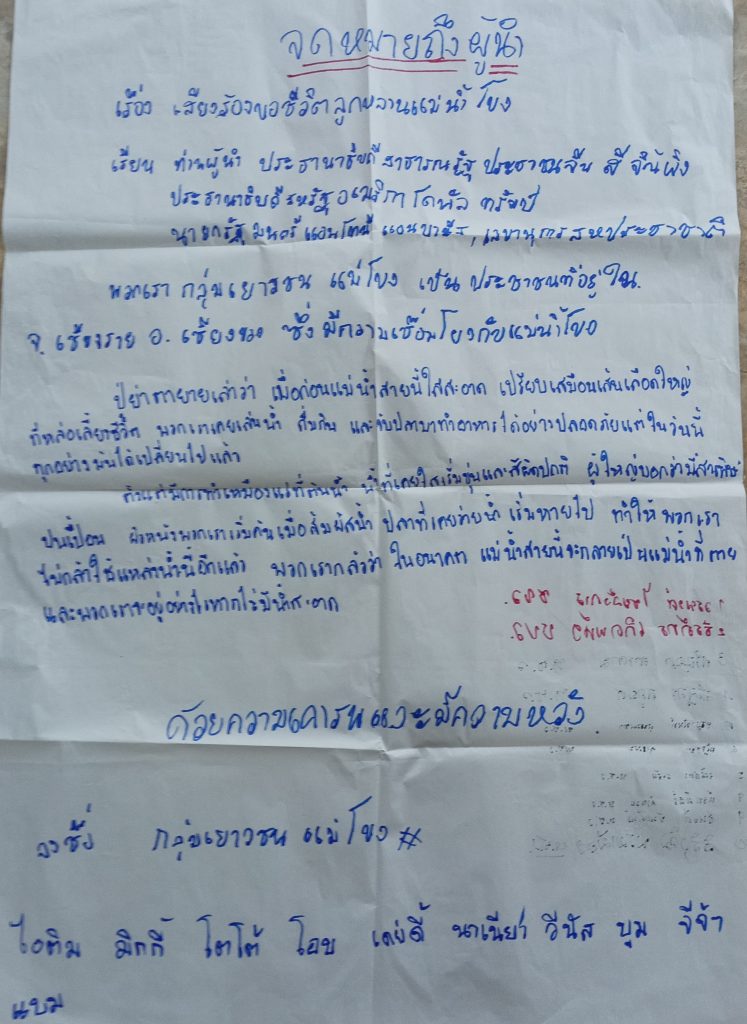
Letter to Your Excellency the Leader, Issue 4:
Subject: A Plea for Life from the Mekong River Basin Children
To: President Xi Jinping of the People’s Republic of China, President Donald Trump of the United States, Prime Minister Anthony Albanese of Australia, Secretary-General António Guterres of the United Nations, and Leaders of the Mekong River Basin Countries
We, the Mekong Youth Group, are citizens of Chiang Rai Province, Chiang Khong District, which is connected to the Mekong River.
Our grandparents told us that in the past, this river was clear and clean, like a vital artery that nourished our lives. We used to swim, drink, and catch fish safely. But today, everything has changed.
Since mining began upstream, the once clear water has become cloudy and discolored. Adults say there are toxic contaminants. Our skin starts to itch when we touch the water. The fish that used to swim in it have disappeared. We no longer dare to use this water source. We fear that in the future, this river will become a dead river, and how will we survive without clean water?
With respect and hope
Signed, Mekong Youth Group #4
Aitim, Mickey, Toto, Ob, Daydy, Nania, Venus, Boom, Jija, Bam, and Budu
Worapong Chailangkarn, Chiang Khong Wittayakom School
Theerapat Kerdpanang, Chiang Khong Wittayakom School
Saranya Sarakham, Huay So Wittayakom Ratchamangkhlaphisek School
Nattaporn Sapuyot, Huay So Wittayakom Ratchamangkhlaphisek School
Chayanant Suwantha, Huay So Wittayakom Ratchamangkhlaphisek School
Natchaya Nutham, Huay So Wittayakom Ratchamangkhlaphisek School
Janista Rajan, Huay So Wittayakom Ratchamangkhlaphisek School
Nattaphat Khamnuan, Huay So Wittayakom Ratchamangkhlaphisek School
Thanabodee Khantaphan Huay So Wittayakom Ratchamangkhlaphisek School
Siriwut Phrommuang, Huay So Wittayakom Ratchamangkhlaphisek School
Bumibutra Lamun, BD Plearn & Learn Homeschooling
Letter to Your Excellency the Leader, Issue 5:
Subject: “The River’s Call”
To: President Xi Jinping of the People’s Republic of China, President Donald Trump of the United States, Prime Minister Anthony Albanese of Australia, Secretary-General António Guterres of the United Nations, and Leaders of the Mekong River Basin Countries
We, students of Chiang Khong Wittayakom and Huay So Wittayakom schools, who have a close connection to the Mekong River, would like to reflect on our current situation. Previously, the Mekong was a clean and clear river. Villagers lived by fishing and gathering aquatic animals. During the summer, both young and old children would happily play in the water without worrying about any pollutants. However, our way of life has changed. Income has decreased, and the joy of many children who lived by the river has disappeared. The once-safe fish are now contaminated with arsenic, which is destroying fish life and the river’s ecosystem.
We understand that you hold the power and believe you can restore this river to its former pristine state.
Therefore, we respectfully request that you cooperate with the leaders of other countries to investigate and curb the toxic pollution from mining operations that are destroying our river.
With respect and hope,
Signed
Miss Sirimanee Wiset, 17 years old, Chiang Khong Wittayakom School
Mr. Warakorn Pangmuang, 16 years old, Chiang Khong Wittayakom School
Miss Parita Sinaprom, 16 years old, Chiang Khong Wittayakom School
Miss Chayanit Sai-uparat, 16 years old, Chiang Khong Wittayakom School
Miss Supichaya Ratchakom, 14 years old, Huay So Wittayakom Ratchamangkhala Phisek School
Prachaya Pholthaisong, age 14, Huay So Wittayakom Ratchamangkhlaphisek School
Natchanan Phutthasarn, age 15, Huay So Wittayakom Ratchamangkhlaphisek School
Wipawan Yangyuen, age 16, Huay So Wittayakom Ratchamangkhlaphisek School
Rattanaporn Netnanchai, age 15, Huay So Wittayakom Ratchamangkhlaphisek School
Chonlakorn Porama, age 16, Huay So Wittayakom Ratchamangkhlaphisek School